
Orofacial Myofunctional Disorders (OMDs)
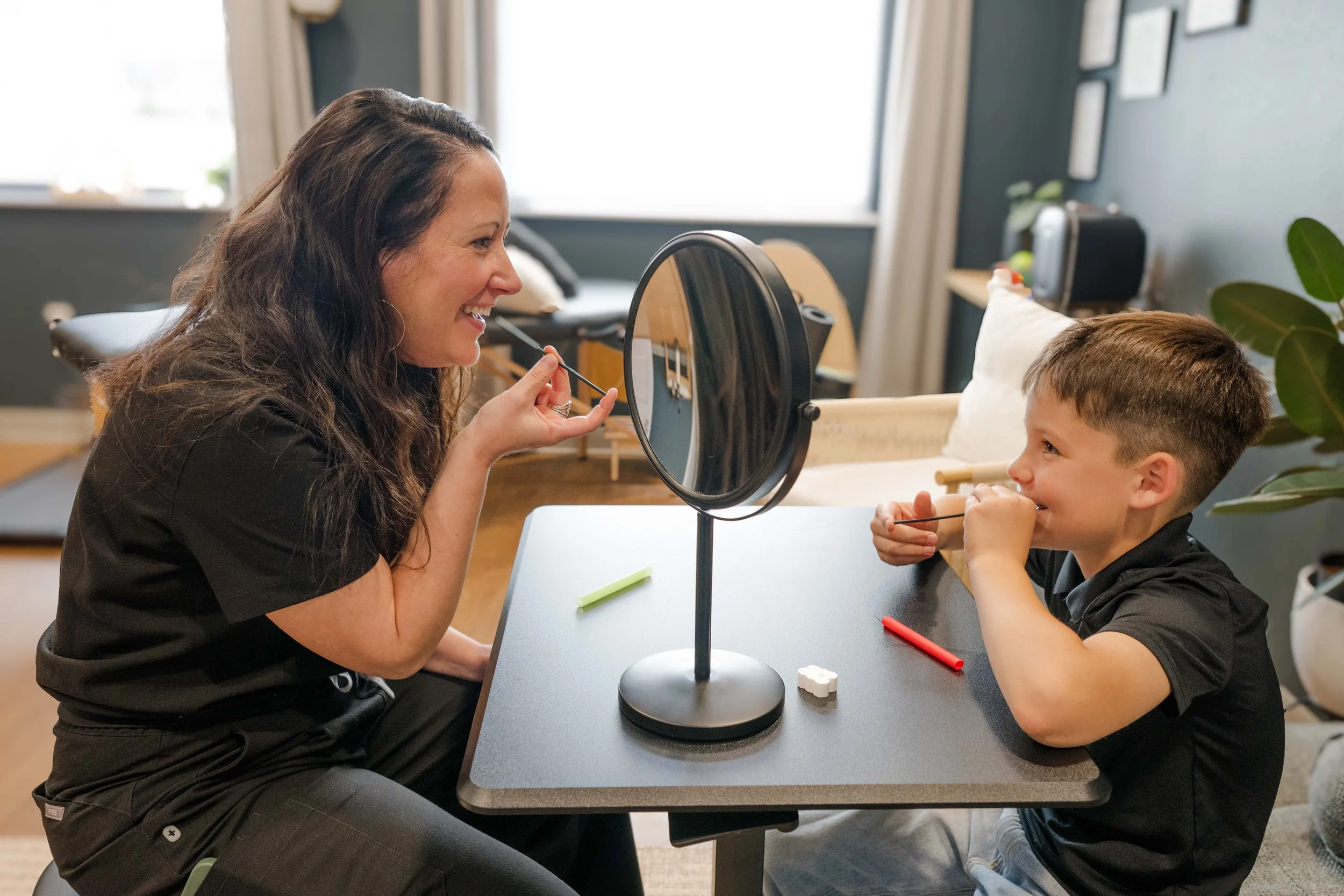
Orofacial Myofunctional Disorder Evaluation & Therapy Services in the Black Hills
Orofacial myofunctional disorders (OMDs) are functional disorders involving the muscles and patterns of the face, mouth, jaw, and airway that impact essential functions such as breathing, sleeping, chewing, swallowing, and speech.
These patterns develop when the muscles and structures of the orofacial complex are not working together efficiently. OMDs may affect individuals across the lifespan and can influence feeding, facial growth and development, airway health, sleep, speech, swallowing, orthodontic stability, temporomandibular joint (TMJ) function, and overall quality of life.
At DSSC, we provide comprehensive evaluation and individualized treatment for children, teens, and adults with orofacial myofunctional disorders. Our approach combines evidence-based practices from speech-language pathology, orofacial myofunctional therapy, breathing retraining, functional movement, manual therapy, and interdisciplinary collaboration to address the underlying functional patterns impacting each individual.
Services are available in person at our Rapid City clinic and through telehealth options when appropriate.
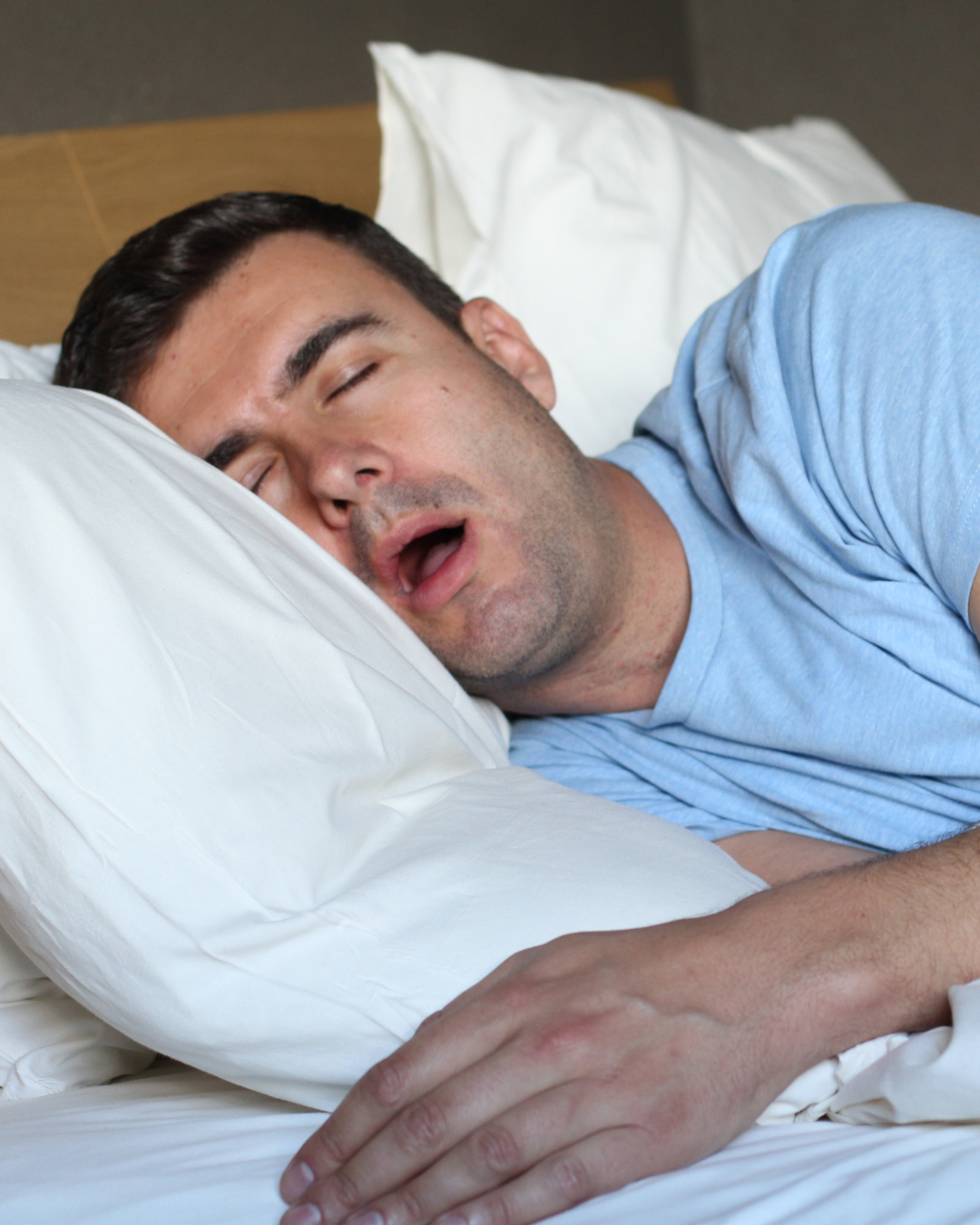
Common Signs of an Orofacial Myofunctional Disorder
OMDs may present with one or more of the following:
Open mouth resting posture
Mouth breathing (during the day or night)
Sleep-disordered breathing concerns
Tongue, lip, or cheek tethered oral tissues (TOTs)
Thumb/finger sucking or prolonged pacifier use
Teeth clenching or grinding
TMJ discomfort or dysfunction
Tongue thrust or forward tongue posture
Speech sound concerns
Difficulty chewing or swallowing
Drooling
Evaluations to Get to the Root of the Issue
Our Process
Every treatment plan begins with a comprehensive evaluation designed to understand how the structures and systems involved in breathing, oral function, swallowing, and communication are working together.
Our evaluation includes a detailed review of medical, dental, feeding, sleep, breathing, and functional history, followed by assessment of:
Oral resting posture and nasal breathing patterns
Tongue, lip, jaw, and facial muscle function
Tongue mobility and tethered oral tissues
Chewing and swallowing patterns
Speech sound production and oral coordination
Oral habits and compensatory patterns
Jaw function, facial tension, and TMJ symptoms
Functional breathing patterns
Areas requiring collaboration with other healthcare providers
Following the evaluation, we develop an individualized treatment plan based on each person’s goals, functional needs, and contributing factors. Treatment may incorporate myofunctional therapy techniques, speech therapy, swallow therapy, breathing retraining, nervous system regulation strategies, functional exercises, and collaboration with other professionals when appropriate.
Orofacial Myofunctional Concerns We Evaluate & Treat
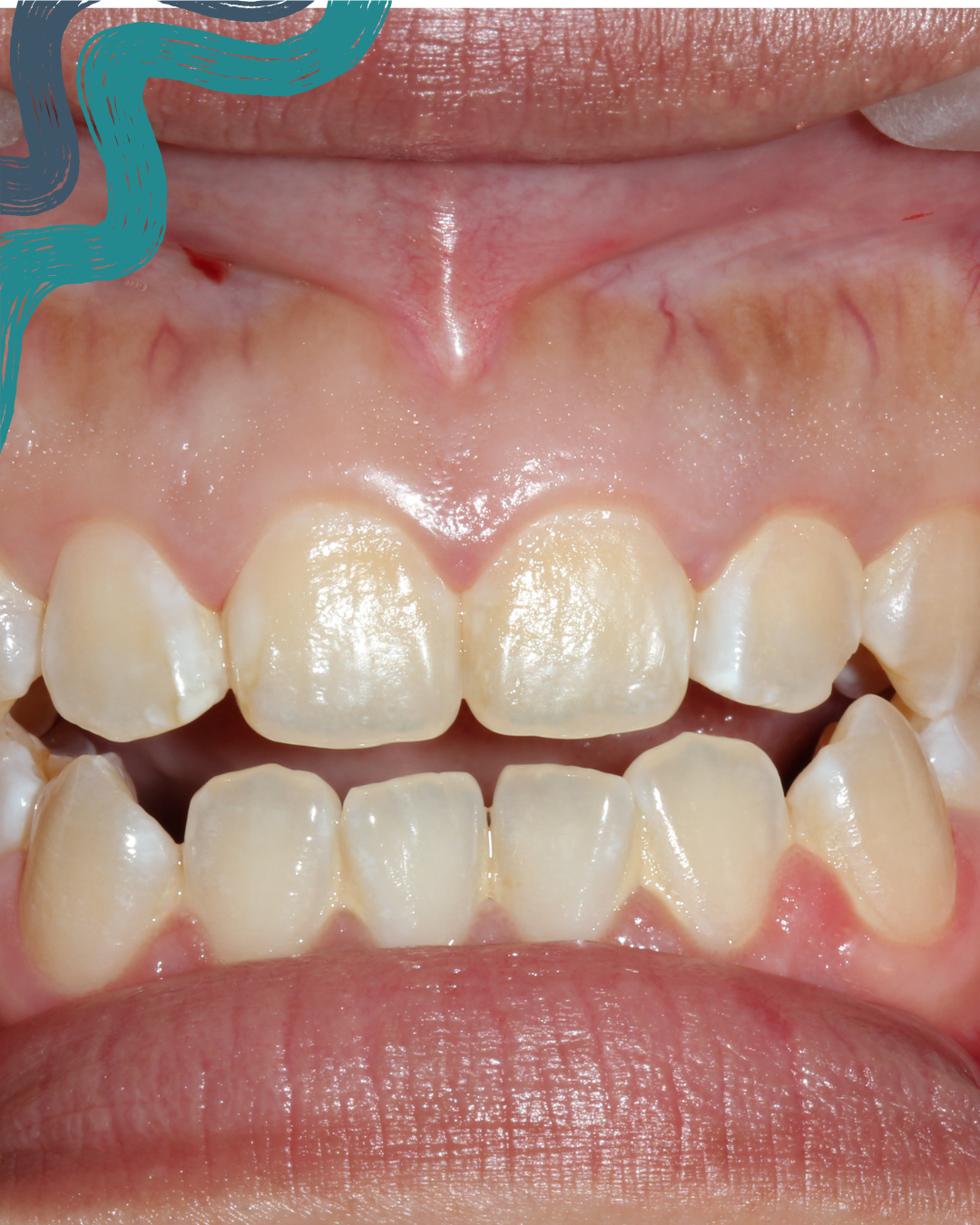
Tongue Thrust, Tongue Posture & Swallowing Dysfunction
The tongue plays a critical role in breathing, swallowing, speech, and facial development. A tongue thrust or inefficient tongue posture occurs when the tongue does not rest or move in an optimal pattern during daily function.
These patterns may contribute to:
Forward tongue posture or tongue thrust swallowing
Open bite or orthodontic relapse concerns
Difficulty with chewing or swallowing efficiency
Speech sound errors related to tongue placement
Excessive facial muscle activity or compensation
Difficulty maintaining proper oral rest posture
Treatment focuses on improving coordination, strength, and function of the tongue, lips, jaw, and surrounding muscles to support efficient swallowing and oral function.
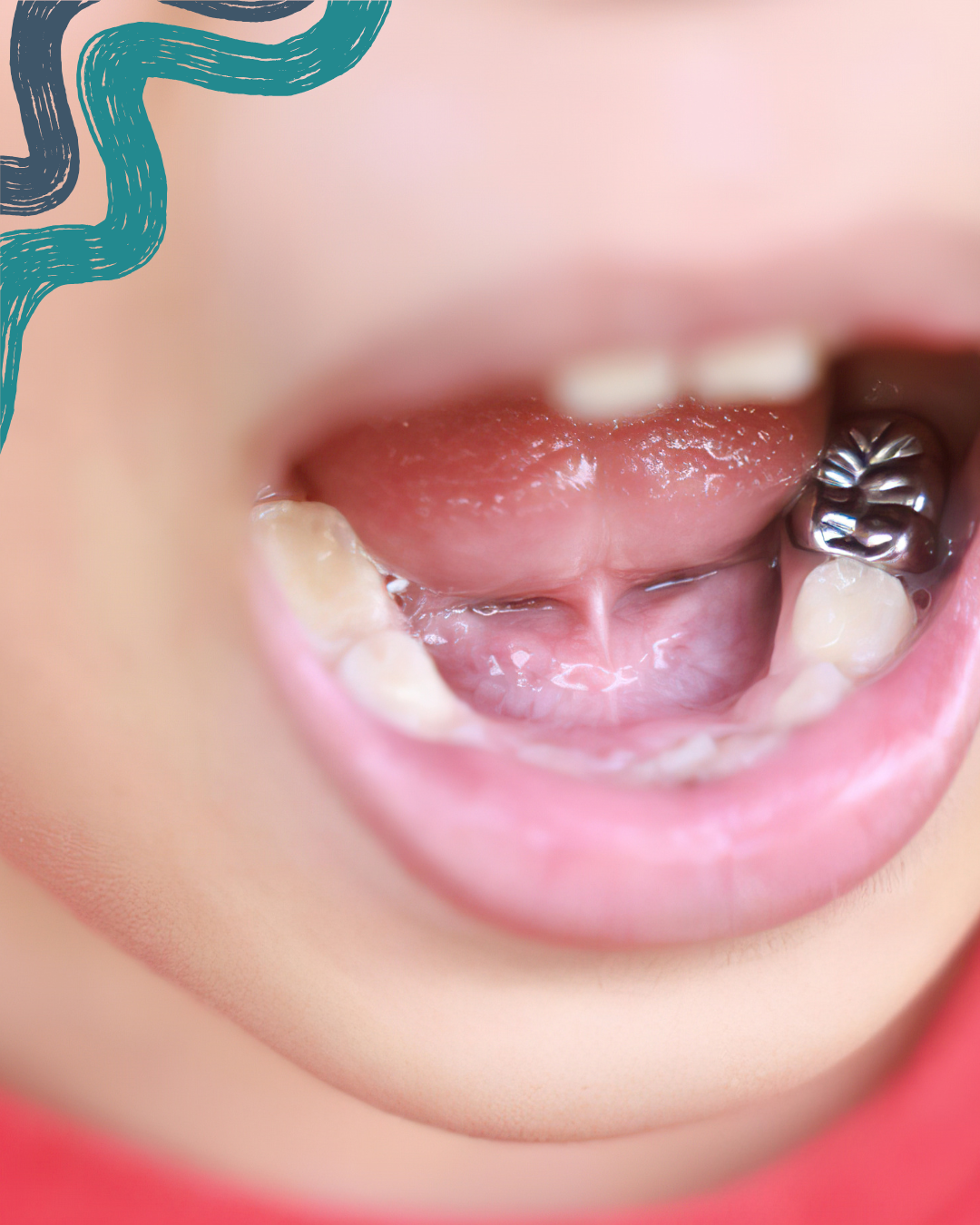
Tongue Tie & Tethered Oral Tissues (TOTs)
Tethered oral tissues, including tongue, lip, and cheek restrictions, may impact oral function when movement is limited. A structural restriction does not always create functional difficulty; therefore, evaluation focuses on how the tissue restriction impacts movement and function.
Our evaluation considers:
Tongue range of motion and functional movement
Oral resting posture
Feeding and swallowing function
Speech considerations
Compensatory muscle patterns
Breathing and oral function
For individuals considering or following a release procedure, we provide functional assessment, therapy, and collaboration with trained providers to support optimal outcomes.
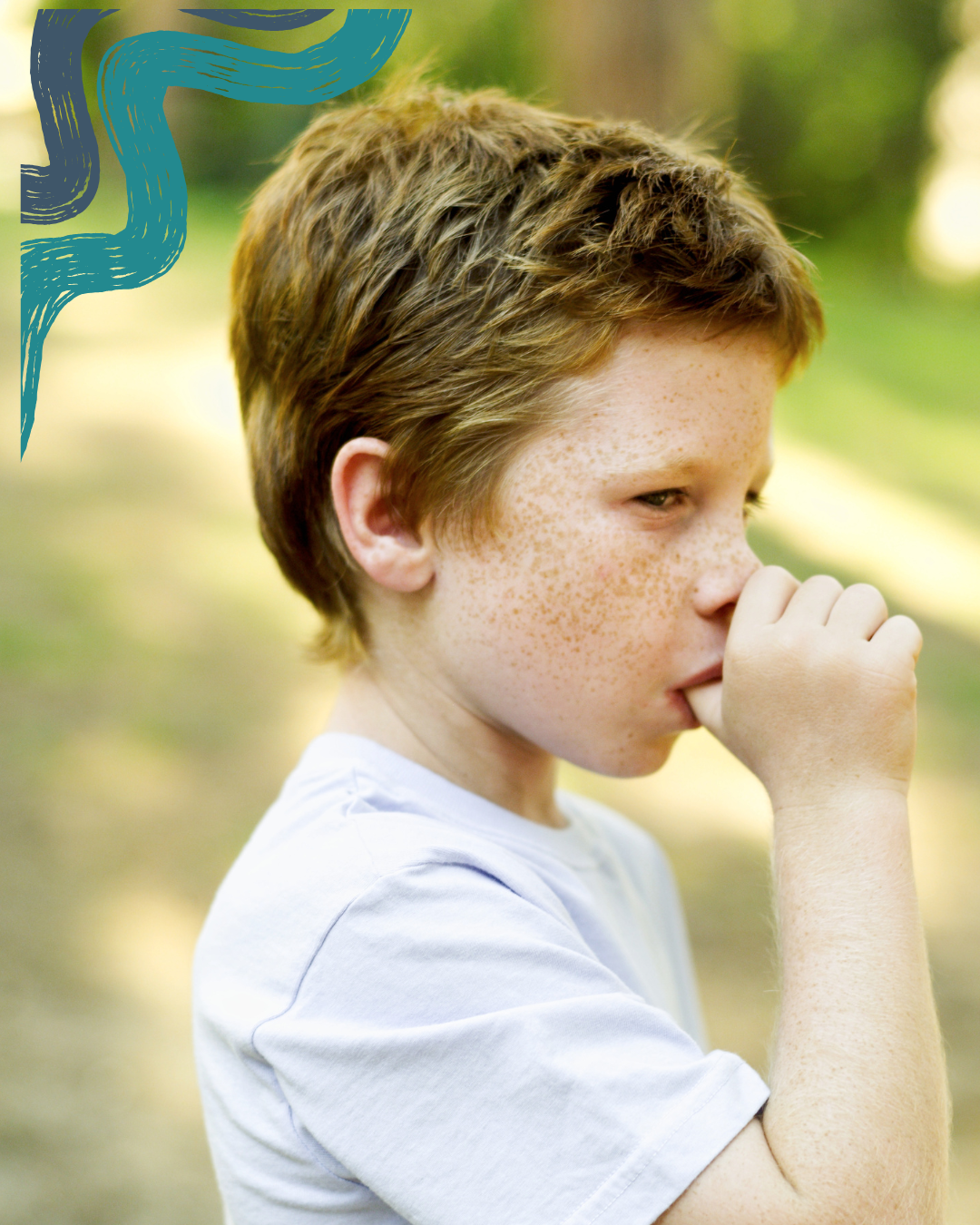
Habit Elimination & Oral Habit Modification
Oral habits are repetitive behaviors that can influence the development and function of the muscles, teeth, jaw, and airway. Habits such as thumb sucking, finger sucking, prolonged pacifier use, nail biting, lip biting, cheek biting, and other repetitive oral behaviors may impact oral rest posture, tongue position, swallowing patterns, dental development, and facial growth.
While some oral habits are a typical part of early development, persistent habits beyond the appropriate developmental stage may contribute to or maintain an orofacial myofunctional disorder.
Our evaluation considers:
The type, frequency, and duration of the oral habit
Impact on tongue posture and swallowing patterns
Effects on breathing and oral rest posture
Dental and orthodontic considerations
Sensory, emotional, and functional factors contributing to the habit
Replacement strategies to support long-term success
Treatment focuses on helping individuals develop awareness of the habit, establish healthier oral patterns, and build functional alternatives that support proper breathing, resting posture, chewing, swallowing, and overall oral function.
Common habits we address include:
Thumb and finger sucking
Prolonged pacifier use
Nail biting
Lip biting or lip sucking
Cheek biting
Tongue thrusting behaviors
Other repetitive oral behaviors affecting function

Speech Sound Concerns Related to Orofacial Function
Speech sound production requires precise coordination of the tongue, lips, jaw, and respiratory system. While not all speech sound disorders are caused by orofacial myofunctional differences, some individuals have underlying functional patterns that may impact speech clarity.
An orofacial myofunctional evaluation may be beneficial when speech concerns are associated with:
Tongue placement difficulties
Limited tongue movement
Oral motor coordination concerns
Structural differences affecting function
Persistent errors despite traditional articulation therapy
Our evaluation helps determine whether an orofacial myofunctional approach should be incorporated as part of a comprehensive speech treatment plan.

TMJ Dysfunction & Orofacial Pain
The jaw, tongue, facial muscles, breathing patterns, posture, and nervous system all interact to influence jaw function. Dysfunction within these systems may contribute to jaw discomfort, facial tension, headaches, clenching, grinding, or changes in jaw movement.
We evaluate and address functional contributors related to:
Jaw tension and muscle overactivity
Clenching and grinding patterns
Chewing mechanics
Swallowing mechanics
Oral posture
Breathing patterns that influence facial and jaw function
Coordination of the tongue, lips, and jaw
When appropriate, we collaborate with dentists, physical therapists, and other providers to support comprehensive care for TMJ and orofacial pain concerns.
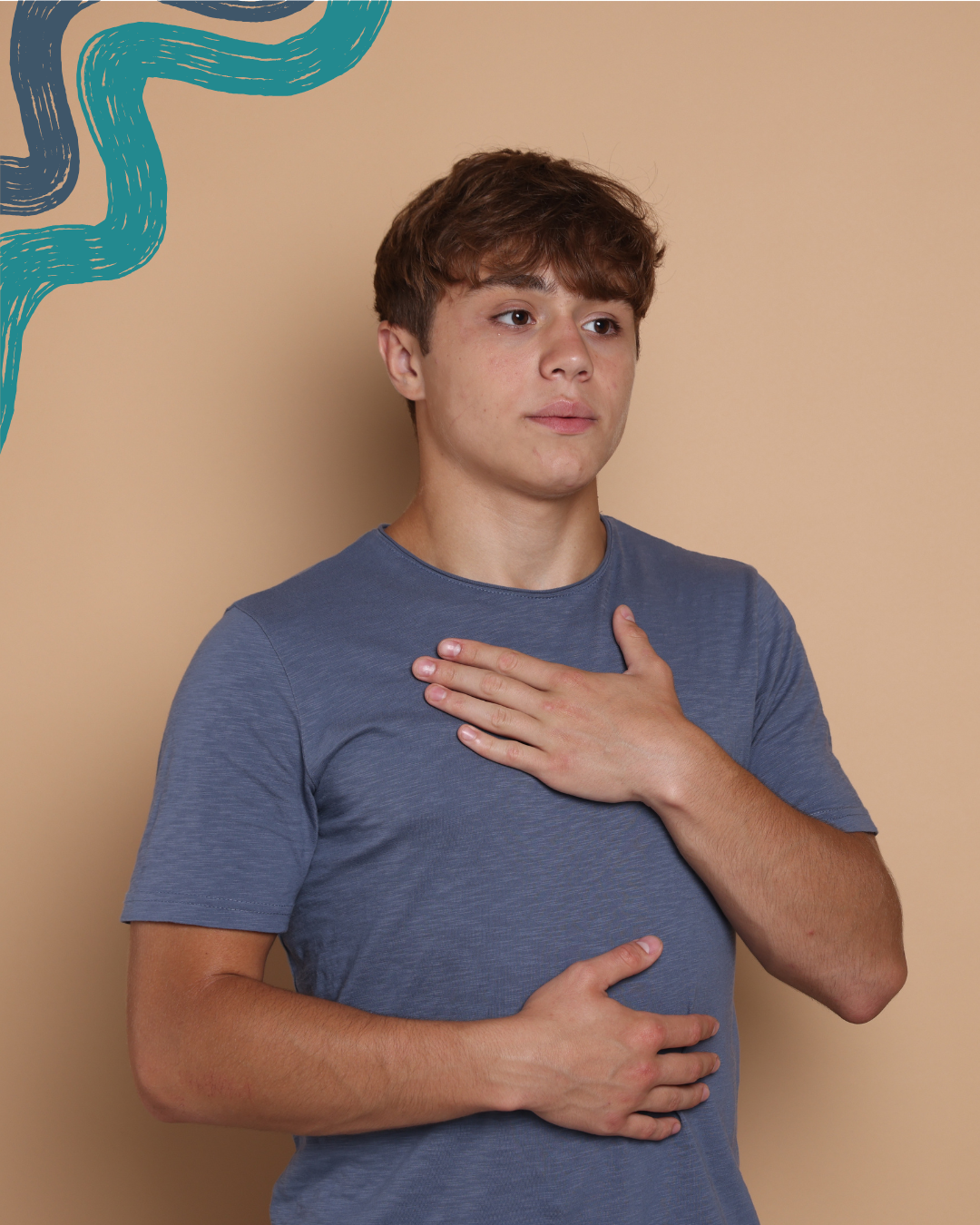
Breathing Dysfunction & Upper Airway-Related Orofacial Patterns
Breathing patterns are foundational to oral function, sleep, and overall health. Inefficient breathing patterns, including chronic mouth breathing, may contribute to changes in oral posture, swallowing, facial muscle function, and sleep quality.
We evaluate and treat functional concerns related to:
Mouth breathing
Open mouth resting posture
Difficulty maintaining nasal breathing
Sleep-related breathing concerns
Inefficient respiratory patterns
Coordination of breathing, posture, and oral function
Our goal is to support functional breathing patterns that promote healthy oral posture, efficient movement, and improved overall function while collaborating with medical providers when airway concerns require additional assessment.