
Fluency (Stuttering) Disorders
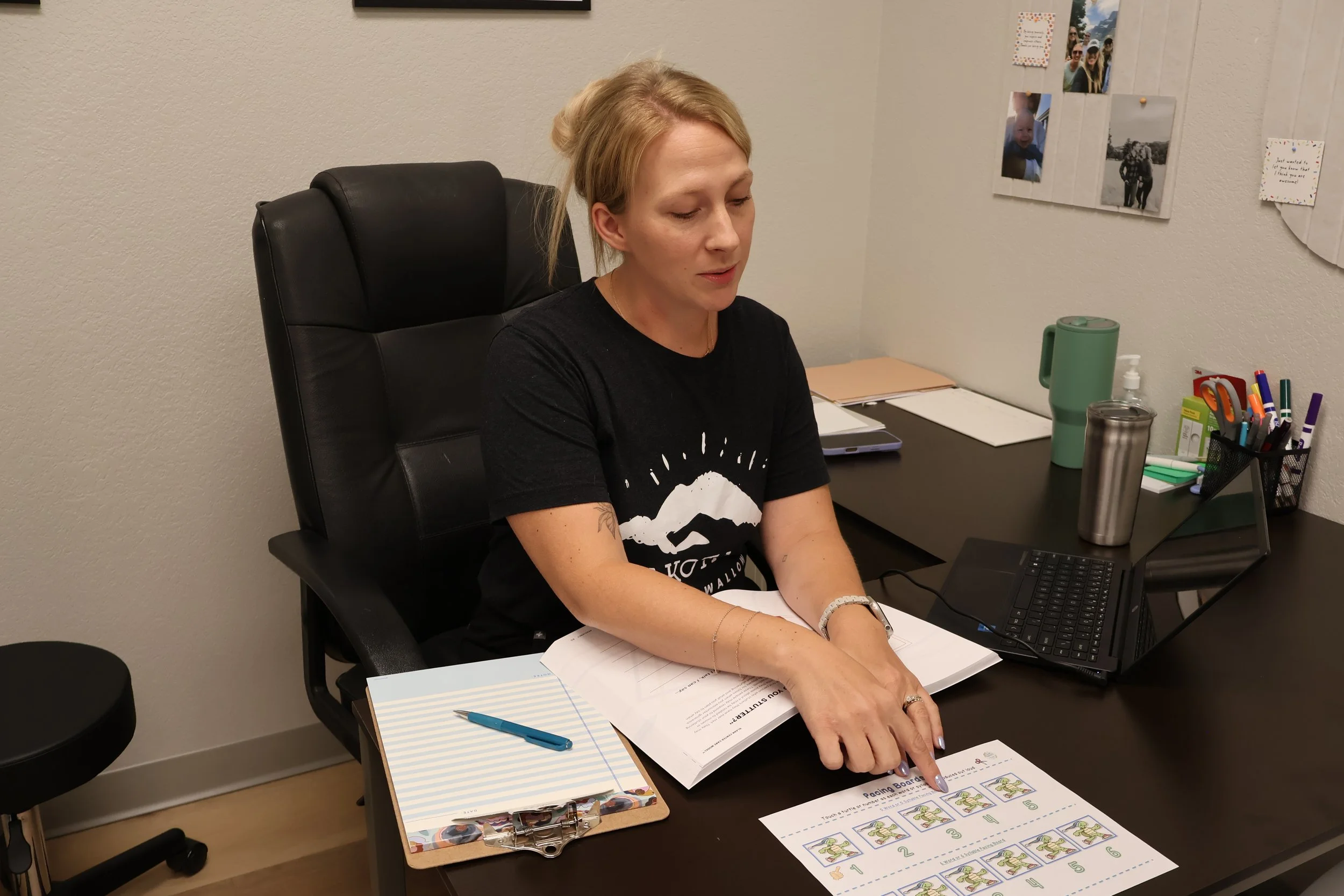
Fluency & Stuttering Evaluation and Therapy Services in the Black Hills
Supporting Confident, Effective Communication Across the Lifespan
Fluency refers to the flow, rhythm, and smoothness of speech. Stuttering is a difference in speech fluency that may affect the timing and coordination of spoken communication. While stuttering is a common communication difference, its impact can vary greatly depending on the individual, their environment, and their personal communication goals.
At DSSC, we provide comprehensive fluency evaluations and individualized therapy for children, teens, and adults who stutter. Our approach focuses on supporting effective communication, building confidence, reducing communication-related barriers, and helping individuals participate fully in conversations, school, work, and daily life.
Stuttering therapy is not about changing who someone is or eliminating all differences in speech. Instead, therapy focuses on developing communication strategies, increasing comfort with speaking, and supporting each person’s unique goals.
Services are available in person at our Rapid City clinic and through telehealth options when appropriate.

Common Signs Someone May Benefit From a Fluency Evaluation
An evaluation may be helpful when an individual experiences:
Frequent sound, syllable, or word repetitions
Prolonged sounds
Blocks or difficulty initiating speech
Increased effort or tension when speaking
Avoidance of certain words or speaking situations
Frustration related to communication
Reduced confidence participating in conversations
Concerns from family, teachers, or healthcare providers
Evaluations to Get to the Root of the Issue

Our Process
Every fluency evaluation begins with understanding the individual’s communication history, experiences with stuttering, and personal goals.
Our evaluation may include assessment of:
Speech fluency patterns
Types and frequency of disfluencies
Blocks, repetitions, and prolongations
Speaking situations that increase or decrease stuttering
Communication confidence and attitudes toward speaking
Avoidance behaviors or communication challenges
Impact on school, work, relationships, and daily activities
Family and communication partner perspectives
Following evaluation, we develop an individualized treatment plan focused on meaningful communication goals and functional success.
Fluency (Stuttering) Concerns We Evaluate & Treat

Childhood Stuttering
Stuttering often begins during early childhood as speech and language skills are rapidly developing. Some children experience temporary periods of increased disfluency, while others benefit from specialized fluency support.
We evaluate and support children experiencing:
Sound, syllable, or word repetitions
Sound prolongations
Blocks or moments when speech feels “stuck”
Increased frustration or avoidance around speaking
Changes in communication confidence
Concerns from caregivers or teachers
Treatment may focus on supporting comfortable communication, educating families, reducing communication pressure, and developing strategies that promote confidence.

Adolescent Stuttering
As children grow, stuttering may begin to impact social communication, school participation, self-advocacy, and confidence.
Adolescents who stutter may benefit from support with:
Managing speaking situations
Communication confidence
Self-advocacy skills
Navigating peer interactions
Presentations and classroom participation
Reducing avoidance of speaking opportunities
Therapy focuses on helping teens develop a positive relationship with communication and feel empowered in their speaking abilities.

Adult Stuttering
Adults who stutter may experience challenges in professional, academic, or social settings. Therapy can support individuals in developing strategies that align with their personal communication goals.
Adult fluency therapy may address:
Workplace communication
Public speaking
Interview preparation
Speaking confidence
Communication effectiveness
Managing challenging speaking situations
Reducing avoidance and fear related to speaking
Treatment is individualized and focuses on improving quality of life and participation.

Fluency Strategies & Communication Confidence
Fluency therapy may incorporate a variety of approaches based on each person’s needs and goals.
Treatment may focus on:
Understanding speech patterns
Increasing awareness of communication behaviors
Developing strategies for comfortable speech production
Reducing tension and struggle during speaking
Building confidence in communication situations
Improving self-advocacy and communication participation
The goal of therapy is functional, meaningful communication—not changing an individual’s identity or personality.

Family & Communication Partner Support
Supportive communication environments play an important role in fluency development and communication confidence.
We provide education and strategies for:
Parents and caregivers
Teachers and school teams
Communication partners
Employers and workplace supports
Education may include understanding stuttering, supporting participation, and creating environments where individuals feel comfortable communicating.