
Cognitive-Communication & Language Disorders
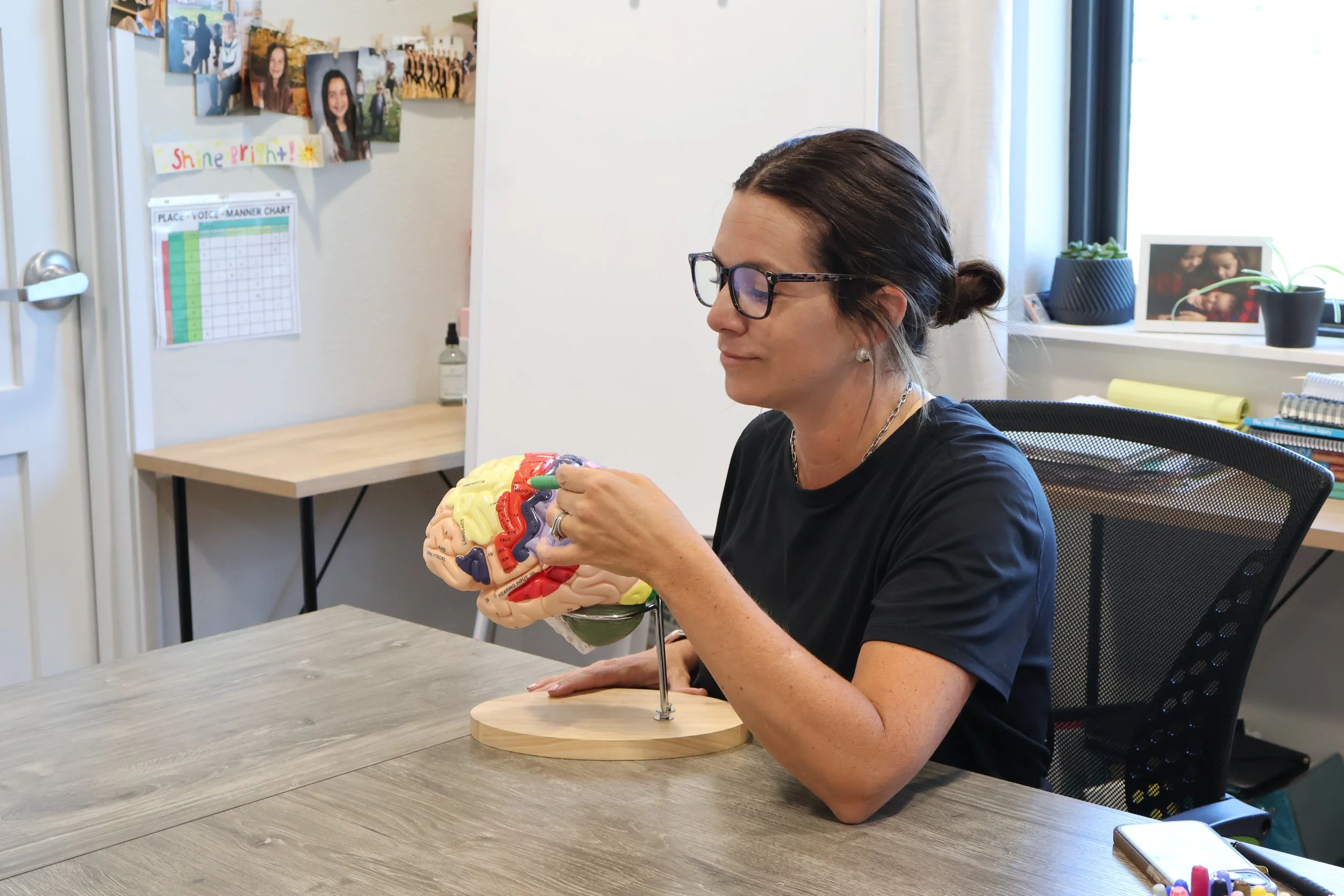
Cognitive-Communication, Language & Executive Function Evaluation and Therapy Services in the Black Hills
Comprehensive Evaluation & Treatment for Communication, Thinking, and Functional Independence
Communication relies on more than words. Effective communication requires the ability to understand information, express thoughts and ideas, remember important details, organize responses, solve problems, and adapt communication across different environments.
Cognitive-communication disorders occur when changes in thinking skills impact a person’s ability to communicate effectively. These challenges may affect attention, memory, processing speed, executive functioning, problem-solving, social communication, and functional communication skills.
Language disorders may affect an individual’s ability to understand language (receptive language) or express thoughts and ideas (expressive language). These challenges may occur during development or following neurological changes that affect communication.
At DSSC, we provide comprehensive evaluation and individualized treatment for children, teens, and adults experiencing challenges with cognition, communication, language, and executive functioning. We support individuals with developmental differences as well as acquired communication changes related to stroke, traumatic brain injury (TBI), concussion, dementia, and other neurological conditions.
Our goal is to help individuals communicate more effectively and participate more independently at home, school, work, and within their communities.
Services are available in person at our Rapid City clinic and through telehealth options when appropriate.
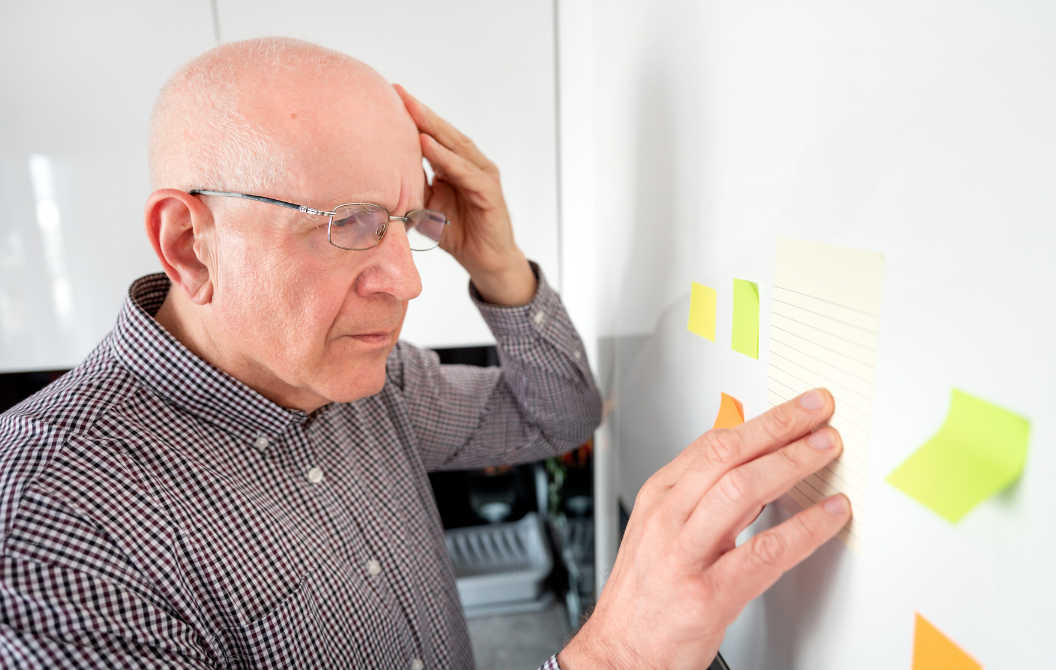
Common Signs of Cognitive-Communication Challenges
Individuals may benefit from evaluation if they experience:
Difficulty finding words
Trouble expressing thoughts or ideas
Difficulty understanding spoken or written information
Memory changes
Reduced attention or concentration
Difficulty organizing thoughts
Challenges returning to school or work
Communication changes after stroke, concussion, or brain injury
Changes in communication related to dementia or neurological conditions
Difficulty participating in conversations
Increased frustration due to communication breakdowns
Changes in independence or daily functioning
Evaluations to Get to the Root of the Issue
Our Process
Every evaluation begins with understanding how communication and cognitive skills impact daily functioning.
Our evaluation may include assessment of:
Receptive language skills (understanding spoken and written information)
Expressive language skills (organizing and expressing thoughts, ideas, and needs)
Word finding and verbal expression
Reading and writing abilities
Attention and concentration
Memory and recall
Processing speed
Problem-solving and reasoning
Executive functioning skills
Organization and planning
Social communication and conversational skills
Functional communication needs across home, school, work, and community settings
Following evaluation, we develop an individualized treatment plan focused on meaningful goals and real-world communication success. Treatment may include direct skill development, compensatory strategies, environmental supports, caregiver education, and collaboration with other professionals.
Cognitive-Communication & Language Concerns
We Evaluate & Treat
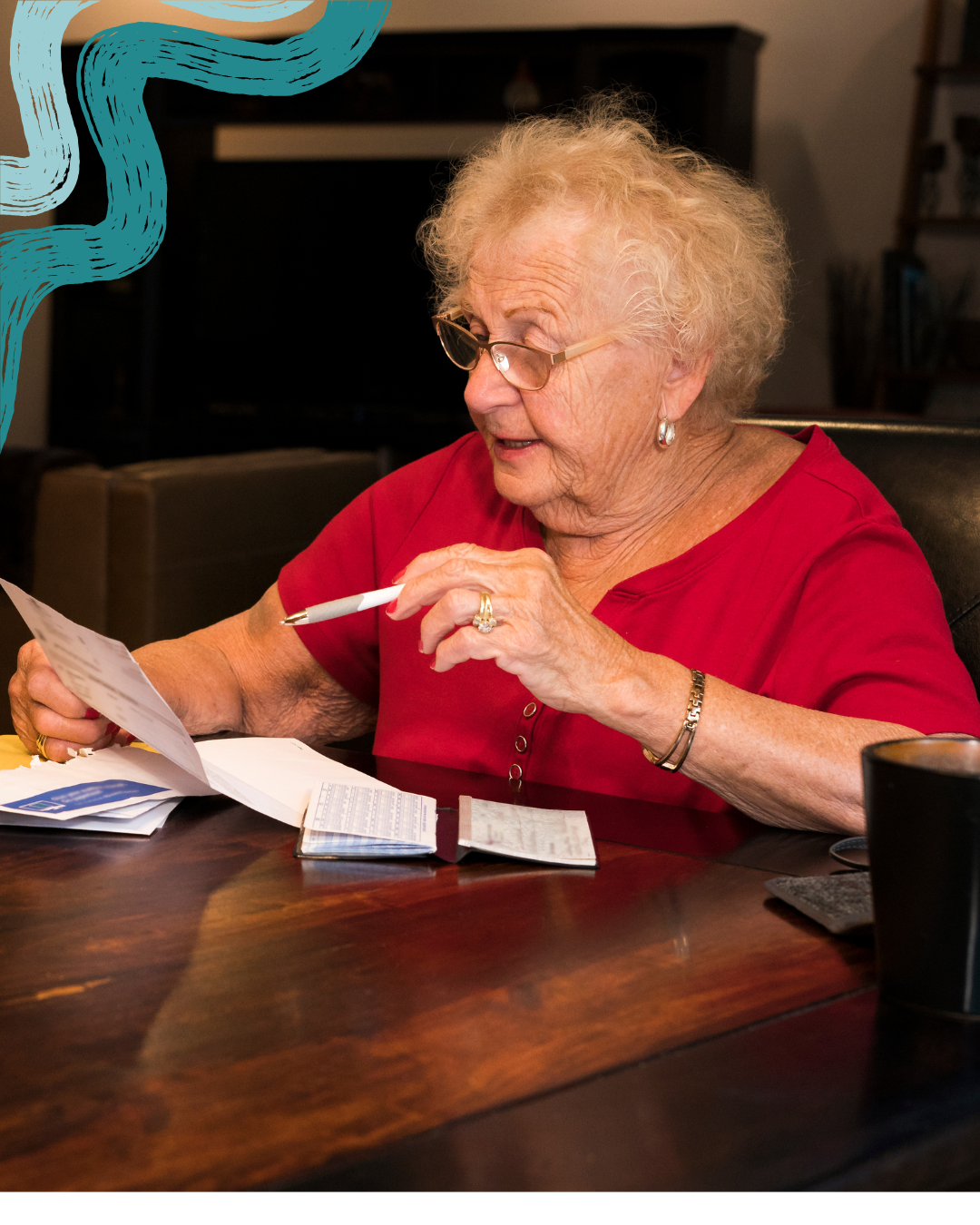
Aphasia & Acquired Language Disorders
Aphasia is a language disorder that affects a person’s ability to understand and/or use language. It commonly occurs following stroke but may also result from traumatic brain injury, neurological conditions, or other changes affecting the brain.
Individuals with aphasia may experience:
Difficulty finding words
Trouble expressing thoughts clearly
Challenges understanding spoken or written language
Difficulty following conversations
Reading or writing changes
Frustration related to communication breakdowns
Treatment focuses on improving functional communication, rebuilding language skills when possible, and developing strategies to support successful communication in daily life.
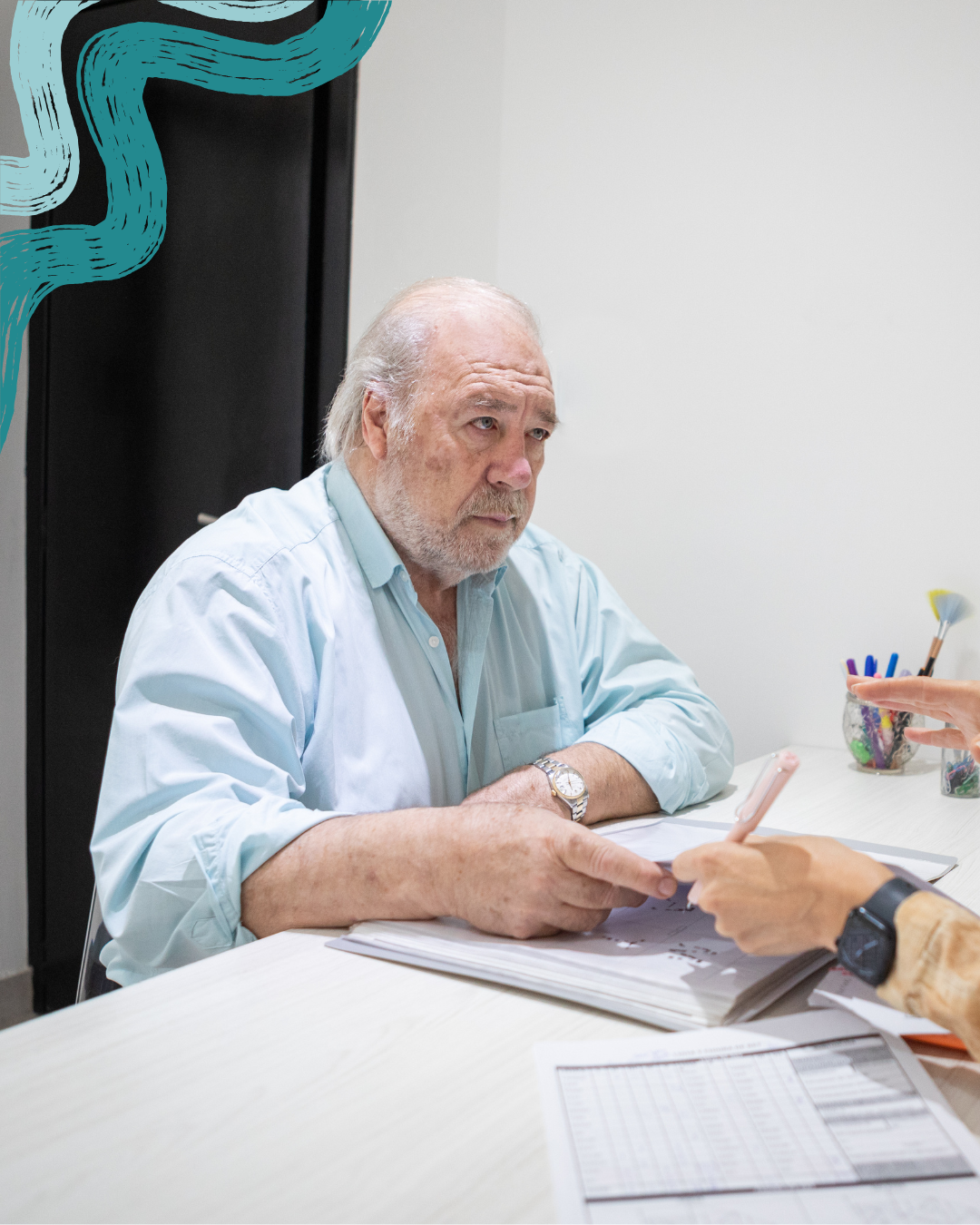
Stroke & Neurological Communication Disorders
Neurological events and conditions can impact speech, language, cognition, and functional communication. Communication changes may occur after stroke or as part of progressive neurological conditions.
We evaluate and treat communication concerns related to:
Stroke
Traumatic brain injury (TBI)
Concussion
Dementia and cognitive decline
Parkinson’s disease and other neurological conditions
Other acquired neurological changes affecting communication
Treatment focuses on maximizing communication abilities, supporting independence, and developing strategies that help individuals participate in daily activities.

Traumatic Brain Injury (TBI), Concussion & Cognitive-Communication Disorders
A traumatic brain injury or concussion can affect the way a person thinks, processes information, communicates, and manages daily tasks. Cognitive-communication challenges may occur even when speech and language abilities appear intact.
Individuals may experience:
Difficulty maintaining attention
Memory challenges
Slower processing of information
Trouble organizing thoughts
Difficulty participating in conversations
Reduced problem-solving ability
Challenges returning to school, work, or daily routines
Treatment focuses on improving functional communication, developing compensatory strategies, and supporting successful return to everyday activities.
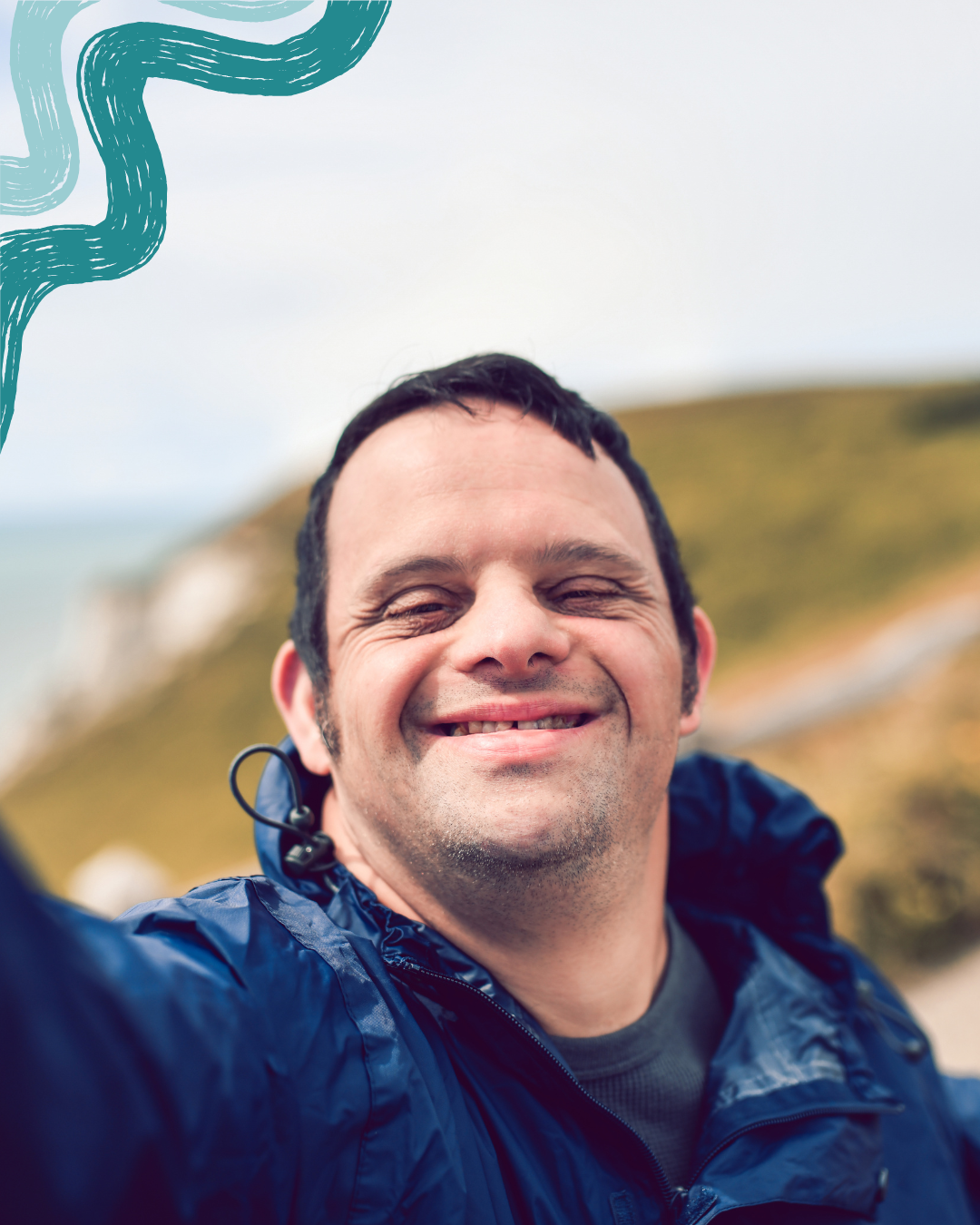
Executive Function & Functional Communication
Executive functioning skills help individuals plan, organize, prioritize, regulate attention, manage time, monitor performance, and adapt to changing situations.
Difficulties with executive function may impact:
Planning and organization
Task initiation and completion
Time management
Self-monitoring
Problem-solving
Flexible thinking
Communication breakdown repair
Goal setting and self-advocacy
Treatment focuses on building strategies that support independence and success across daily environments.
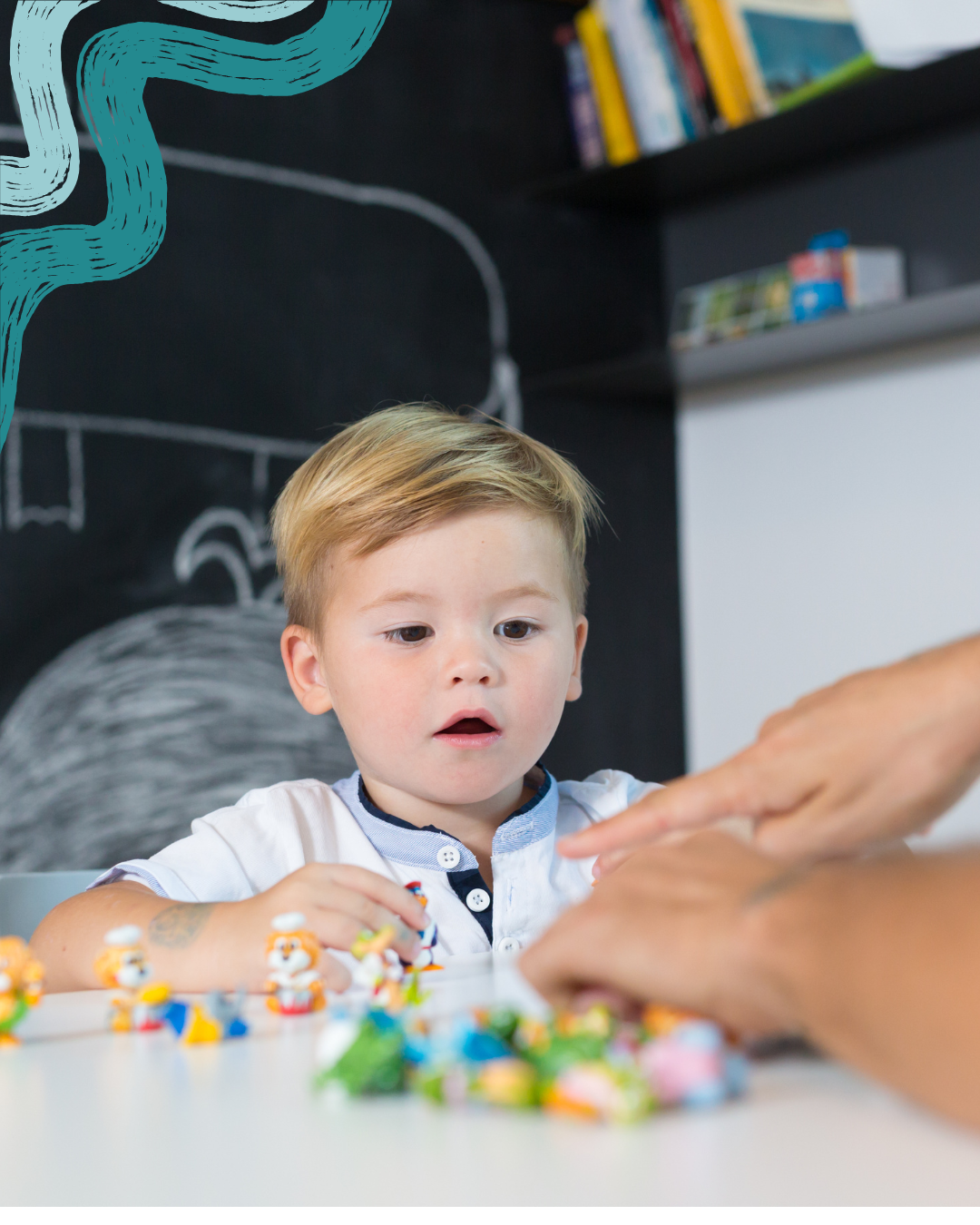
Developmental Language Disorders
Language skills are foundational for learning, relationships, and participation. Some individuals experience challenges developing or using language effectively across different environments.
We evaluate and treat expressive and receptive language concerns related to:
Understanding directions and information
Vocabulary development
Sentence formulation and grammar
Expressing thoughts and ideas
Storytelling and narrative skills
Classroom communication
Functional communication skills
Therapy is individualized to support meaningful communication across home, school, and community settings.

Social Communication & Pragmatic Language
Successful communication requires understanding social cues, interpreting others’ perspectives, adapting communication, and maintaining interactions.
We may address:
Conversation skills
Perspective-taking
Social problem-solving
Topic maintenance
Communication flexibility
Self-advocacy skills
Treatment focuses on meaningful interactions and confidence in everyday communication.

Memory, Attention & Cognitive Strategies
Changes in attention, memory, and processing can significantly impact communication and independence.
Therapy may support:
Attention strategies
Memory supports
Information processing
Organization systems
External tools and supports
Routine development
Environmental modifications
The goal is to help individuals develop strategies that improve participation and independence.