
Augmentative & Alternative Communication (AAC)
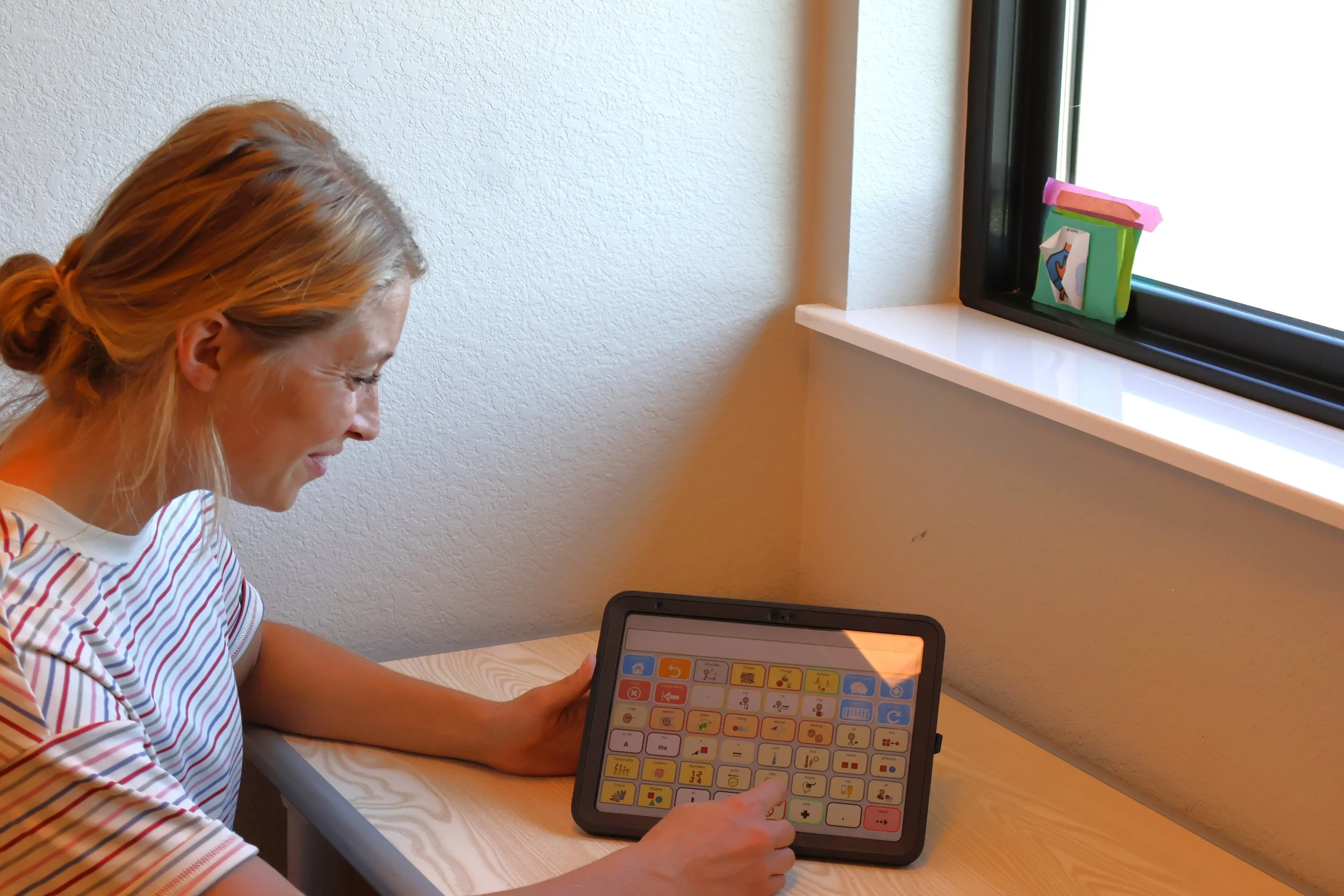
Augmentative & Alternative Communication (AAC) Evaluation and Therapy Services in the Black Hills
Supporting Communication Through Personalized AAC Systems
Augmentative and alternative communication (AAC) provides individuals with additional ways to communicate when speech alone does not meet their needs. AAC can support children and adults with a wide range of communication differences, including developmental disabilities, neurological conditions, speech disorders, and acquired communication challenges.
AAC is not a one-size-fits-all approach. Successful AAC use depends on selecting the right communication system, customizing it to the individual, and providing ongoing support to the person, their family, and communication partners.
At DSSC, we provide comprehensive AAC evaluations, implementation support, and therapy services to help individuals develop functional, meaningful communication across home, school, work, and community settings.
Services are available in person at our Rapid City clinic and through telehealth options when appropriate.
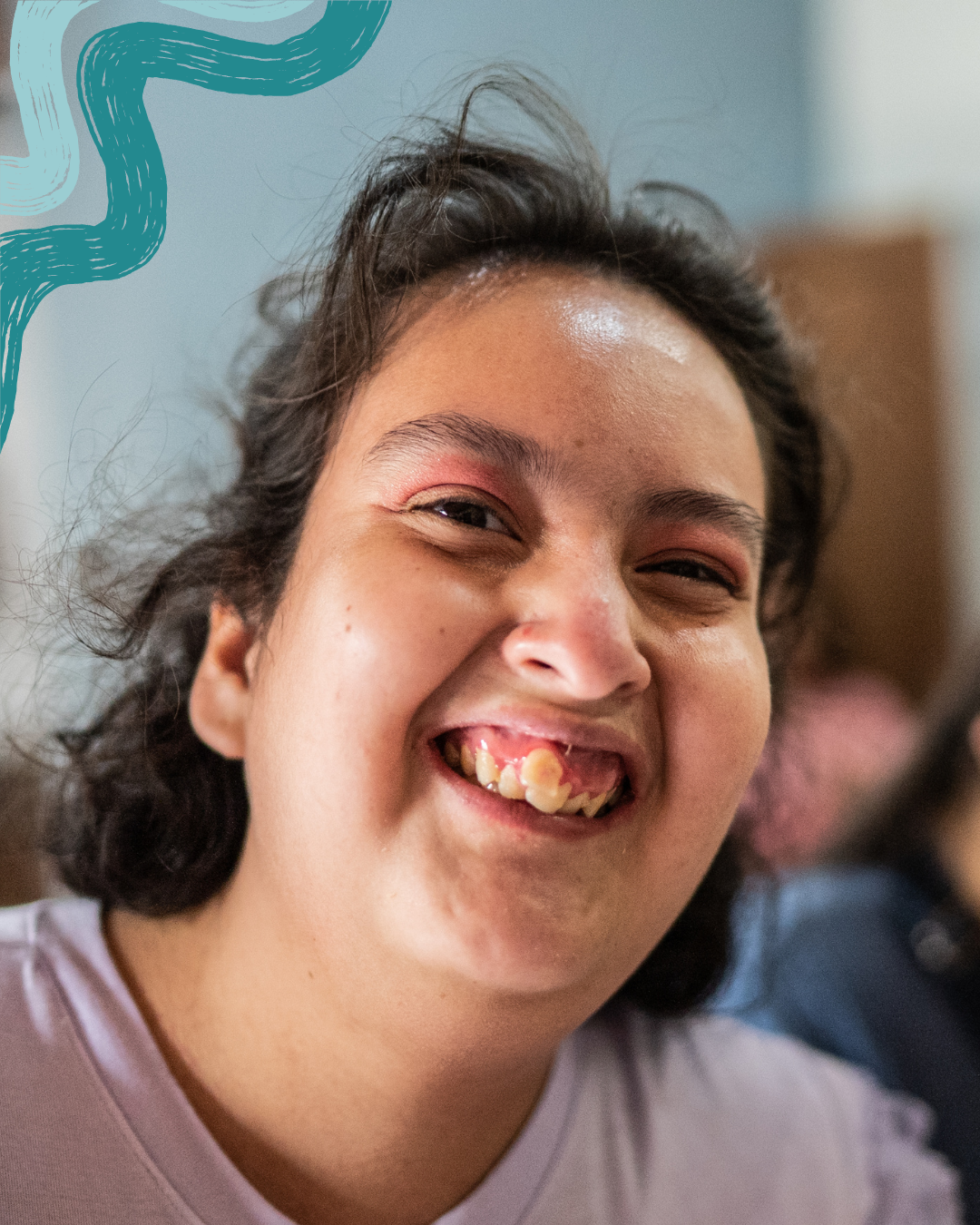
Signs Someone May Benefit From AAC Support
An AAC evaluation may be appropriate when an individual:
Has difficulty communicating wants, needs, thoughts, or ideas
Is difficult for unfamiliar listeners to understand
Becomes frustrated due to communication breakdowns
Has limited spoken communication
Has inconsistent speech abilities
Experiences a change in communication following illness or injury
Needs additional support to participate at home, school, work, or in the community
Evaluations to Get to the Root of the Issue
Our Process
Our AAC evaluation process focuses on understanding the whole communicator — including strengths, needs, environments, preferences, and communication goals.
Evaluation may include assessment of:
Current communication skills and methods
Receptive and expressive language abilities
Speech intelligibility and functional communication needs
Motor abilities for accessing AAC systems
Visual, auditory, and sensory considerations
Communication environments and daily routines
Family, caregiver, and team priorities
AAC feature matching and system recommendations
Following evaluation, we provide recommendations and support to help ensure the AAC system is functional, accessible, and meaningful for everyday communication.
AAC Services We Provide
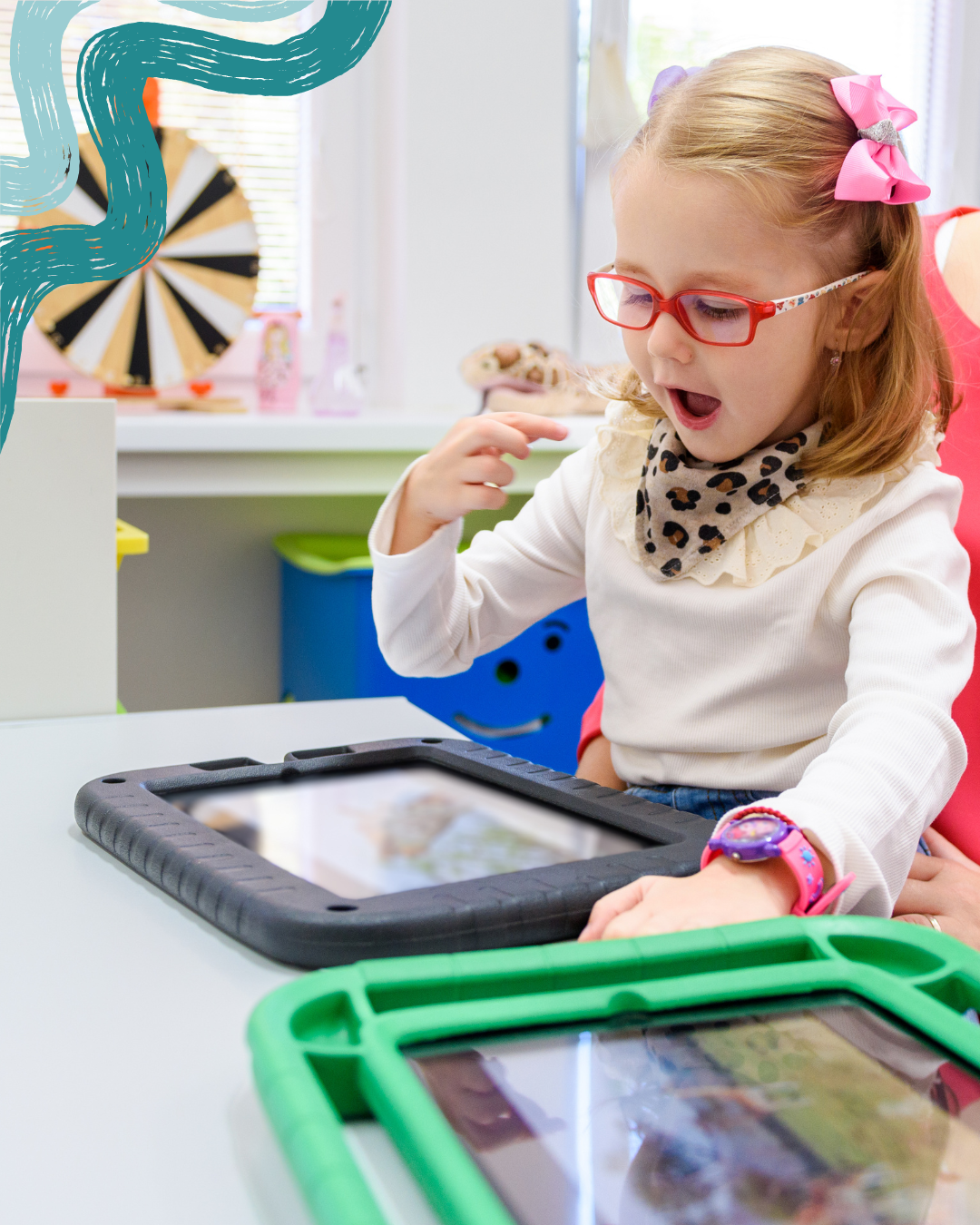
AAC Evaluations & System Selection
A comprehensive AAC evaluation helps determine the most appropriate communication supports based on an individual’s unique needs.
We support:
AAC feature matching
Communication system recommendations
Access method considerations
Trialing and customization of systems
Collaboration with families, schools, and other providers
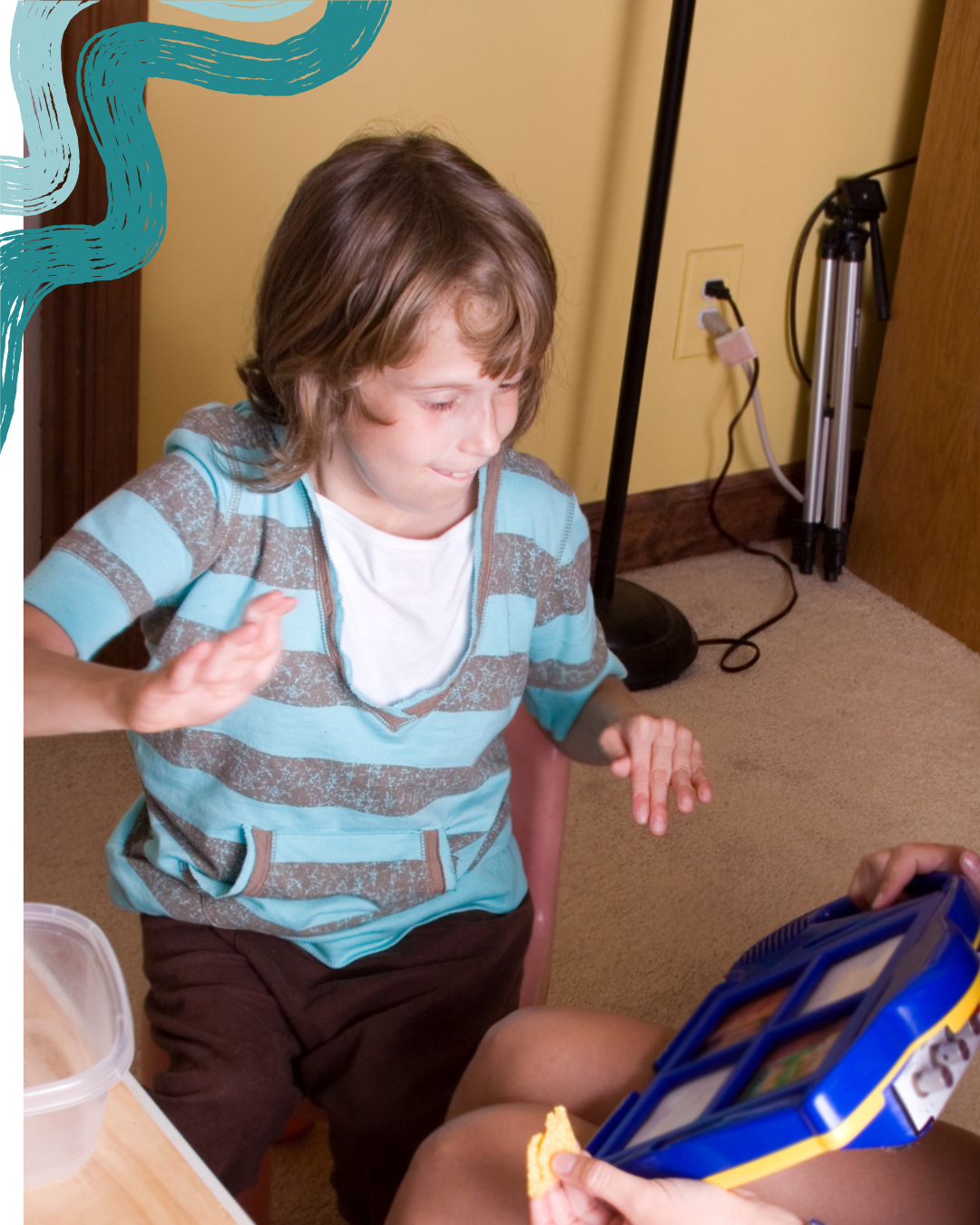
AAC Implementation & Therapy
Choosing an AAC system is only the beginning. Effective AAC use requires ongoing teaching, modeling, practice, and support across environments.
Therapy may focus on:
Building functional communication skills
Increasing spontaneous communication
Expanding vocabulary and language
Improving communication across settings
Supporting self-advocacy
Teaching communication partners how to support AAC use
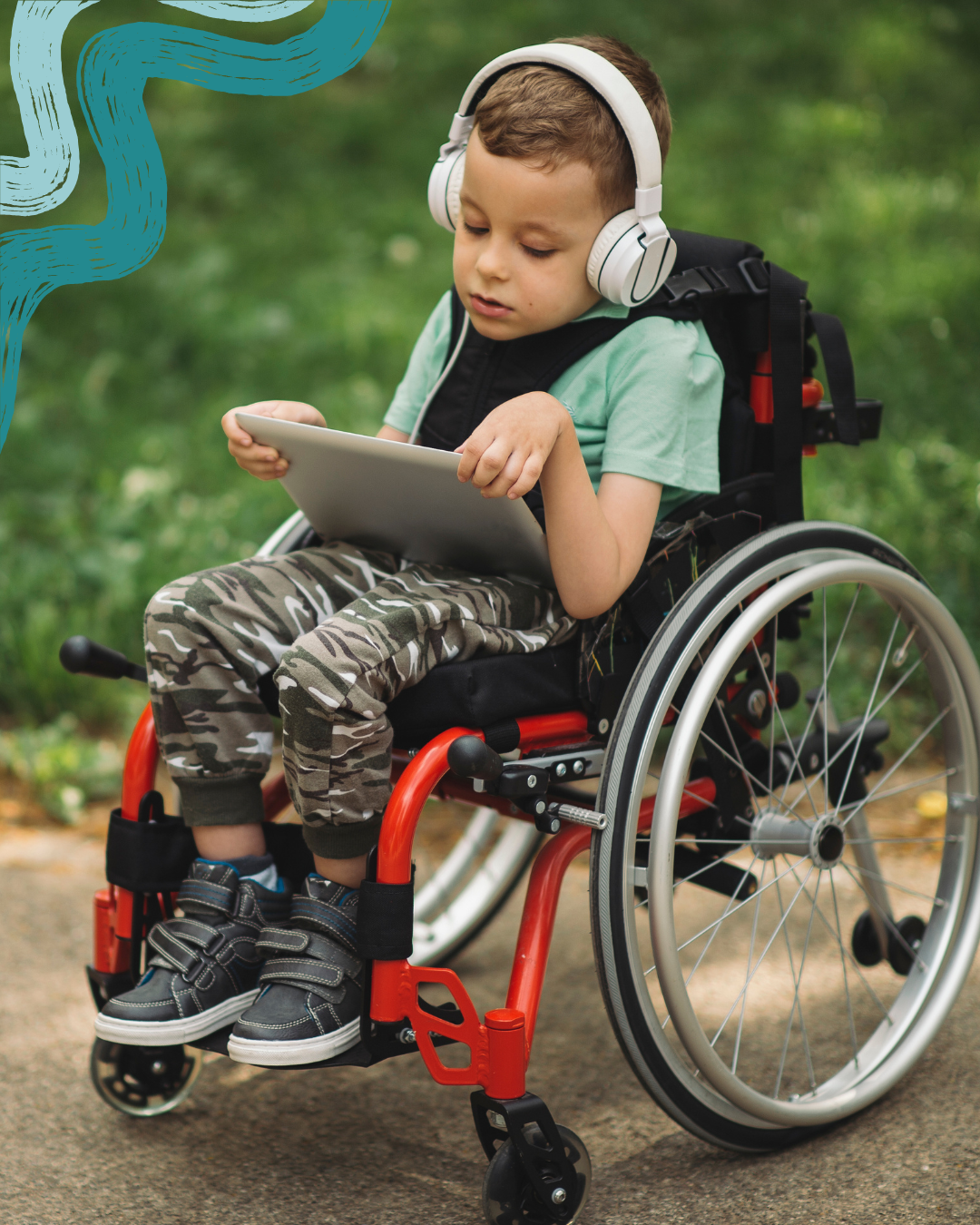
AAC for Children & Developmental Communication Needs
AAC may benefit children who experience challenges with spoken communication due to:
Autism
Childhood apraxia of speech
Developmental language disorders
Motor speech disorders
Genetic or developmental conditions
Speech intelligibility challenges
AAC can support language development, participation, and independence while honoring each child’s unique communication style..
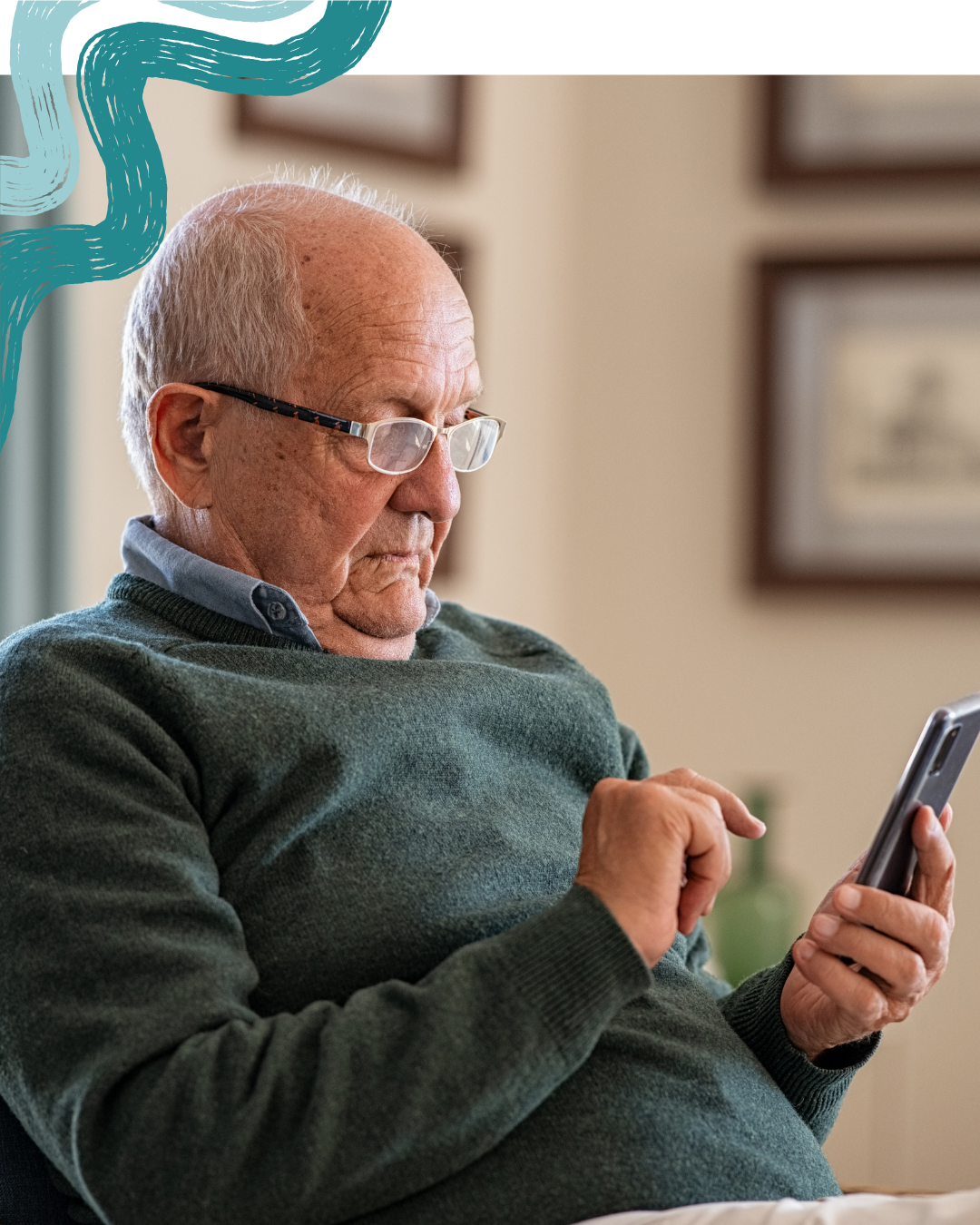
AAC for Adults & Acquired Communication Disorders
AAC can also support adults experiencing communication changes related to:
Stroke
Aphasia
Traumatic brain injury
Neurological conditions
Progressive conditions affecting speech
AAC may provide additional communication options to support independence, relationships, and quality of life.

Communication Partner Training & Team Collaboration
Successful AAC use requires support from the people surrounding the communicator.
We provide education and collaboration with:
Families
Caregivers
Teachers
School teams
Healthcare providers
Other communication partners
Training may include modeling strategies, device use, language development, and ways to create communication opportunities throughout daily routines.