
Feeding & Swallowing Disorders

Feeding & Swallowing Evaluation and Therapy Services in the Black Hills
Comprehensive Evaluation & Treatment for Feeding, Swallowing, and Oral Function Across the Lifespan
Eating and swallowing are complex skills that require coordination between the muscles of the mouth, jaw, tongue, throat, airway, sensory systems, and nervous system. Difficulties in any part of this system can impact a person’s ability to eat safely, efficiently, and comfortably.
Feeding and swallowing challenges can occur at any age and may be related to developmental differences, medical conditions, neurological changes, structural differences, sensory-motor challenges, or injury.
At DSSC, we provide comprehensive evaluation and individualized treatment for infants, children, teens, adults, and older adults experiencing feeding and swallowing concerns. Our approach considers the full feeding and swallowing system, including oral motor function, oral sensory processing, breathing coordination, swallowing safety, and functional participation in meals.
Services are available in person at our Rapid City clinic, through telehealth options when appropriate, and through mobile FEES services for qualifying settings and patients.

Common Signs of Feeding or Swallowing Concerns
Individuals may benefit from evaluation if they experience:
Difficulty breastfeeding or bottle feeding
Feeding fatigue
Coughing or choking during meals
Wet or gurgly voice after eating or drinking
Difficulty chewing
Difficulty transitioning to solids
Limited food variety
Stress or avoidance during meals
Prolonged mealtimes
Difficulty managing textures
Changes in swallowing after illness, injury, or surgery
Concern from caregivers or medical providers
Evaluations to Get to the Root of the Issue

Our Process
Every evaluation begins with understanding the individual’s history, symptoms, and functional goals. We consider how feeding and swallowing skills impact nutrition, hydration, development, health, and quality of life.
Our evaluation may include assessment of:
Oral motor strength, coordination, and range of movement
Oral sensory responses and feeding behaviors
Breastfeeding and bottle-feeding skills
Chewing and oral preparation of food
Swallowing patterns and efficiency
Respiratory-swallow coordination
Signs of aspiration risk
Mealtime participation and routines
Food preferences and texture tolerance
Functional impact on daily life
When appropriate, instrumental assessment such as FEES may be recommended to better understand swallowing physiology and guide treatment planning.
Feeding & Swallowing Concerns
We Evaluate & Treat
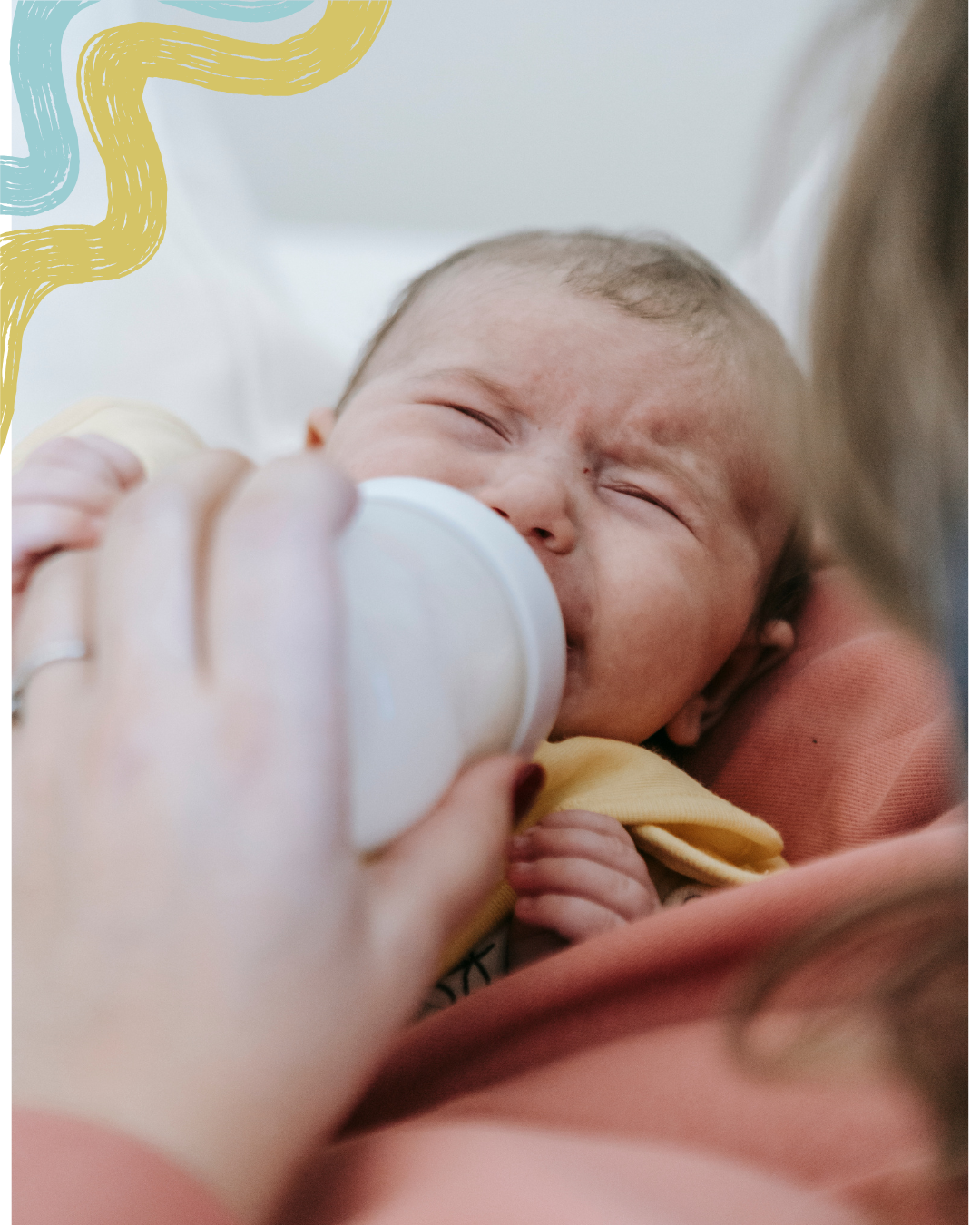
Infant Feeding & Early Feeding Development
Early feeding requires complex coordination between sucking, swallowing, breathing, oral movement, and sensory processing. Difficulties during infancy may impact feeding efficiency, growth, comfort, and caregiver confidence.
We evaluate and treat concerns related to:
Breastfeeding difficulties
Bottle-feeding challenges
Poor latch or inefficient milk transfer
Difficulty coordinating suck-swallow-breathe patterns
Fatigue during feeds
Oral motor limitations
Feeding-related stress or discomfort
Transitioning through early feeding milestones
Treatment may include caregiver education, feeding strategies, oral motor support, positioning recommendations, and collaboration with lactation consultants, dentists, physicians, and other providers when appropriate.

Pediatric Feeding & Swallowing Disorders
Children may experience feeding and swallowing challenges related to development, medical history, sensory differences, oral motor skills, or structural differences.
We evaluate and treat:
Pediatric dysphagia
Difficulty transitioning between textures
Chewing difficulties
Limited food variety related to feeding skill challenges
Difficulty managing solids or liquids
Mealtime stress or avoidance
Reduced independence with eating
Oral motor coordination differences
Cup and straw drinking skills
Treatment focuses on building functional feeding skills, supporting positive mealtime experiences, and helping children safely participate in eating and drinking.

Oral Motor & Oral Sensory-Motor Dysfunction
Efficient eating and swallowing require coordinated movement and sensory awareness of the lips, tongue, jaw, and oral structures.
Oral sensory-motor challenges may affect:
Chewing patterns
Bolus formation and management
Tongue movement
Lip closure
Oral awareness
Texture tolerance
Feeding independence
Saliva management
Treatment may include individualized oral motor and sensory-motor strategies to support functional eating and swallowing skills.

Oropharyngeal Dysphagia
Oropharyngeal dysphagia occurs when there are difficulties coordinating the oral and/or pharyngeal phases of swallowing.
Signs may include:
Coughing or choking during meals
Wet or gurgly voice after eating or drinking
Difficulty managing food or liquids
Food remaining in the mouth after swallowing
Increased effort during meals
Prolonged mealtimes
Changes in eating or drinking patterns
Evaluation helps identify swallowing impairments and determine appropriate treatment recommendations.
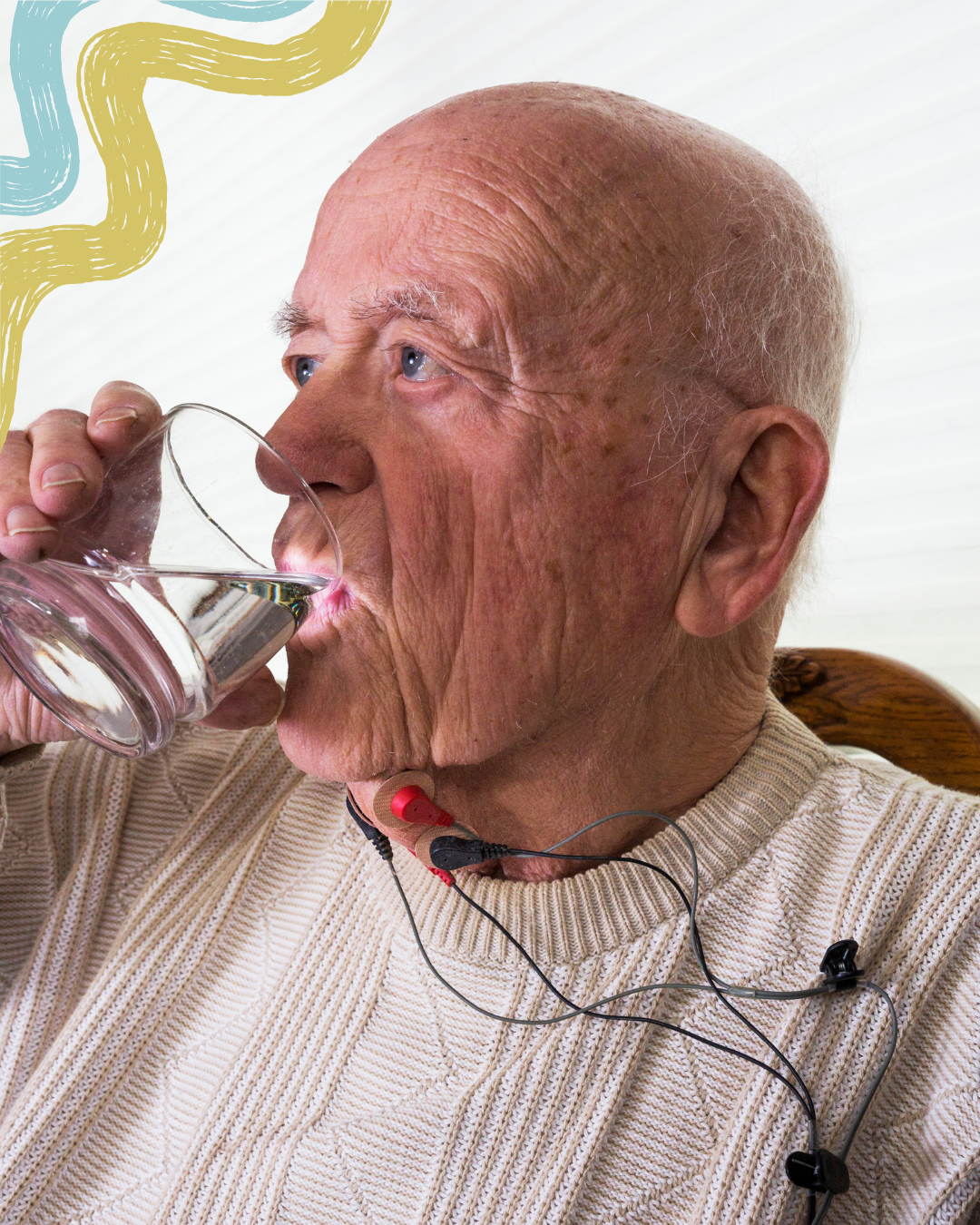
Adult Dysphagia & Neurological Swallowing Disorders
Swallowing changes in adults may occur following medical events, neurological conditions, injury, surgery, or changes associated with aging.
We evaluate and treat swallowing concerns related to:
Stroke
Traumatic brain injury
Parkinson’s disease
Dementia and cognitive decline
Multiple sclerosis
Head and neck cancer
Respiratory conditions
Other neurological or medical conditions
Treatment focuses on improving swallowing safety, efficiency, and quality of life.