
Speech Sound Disorders
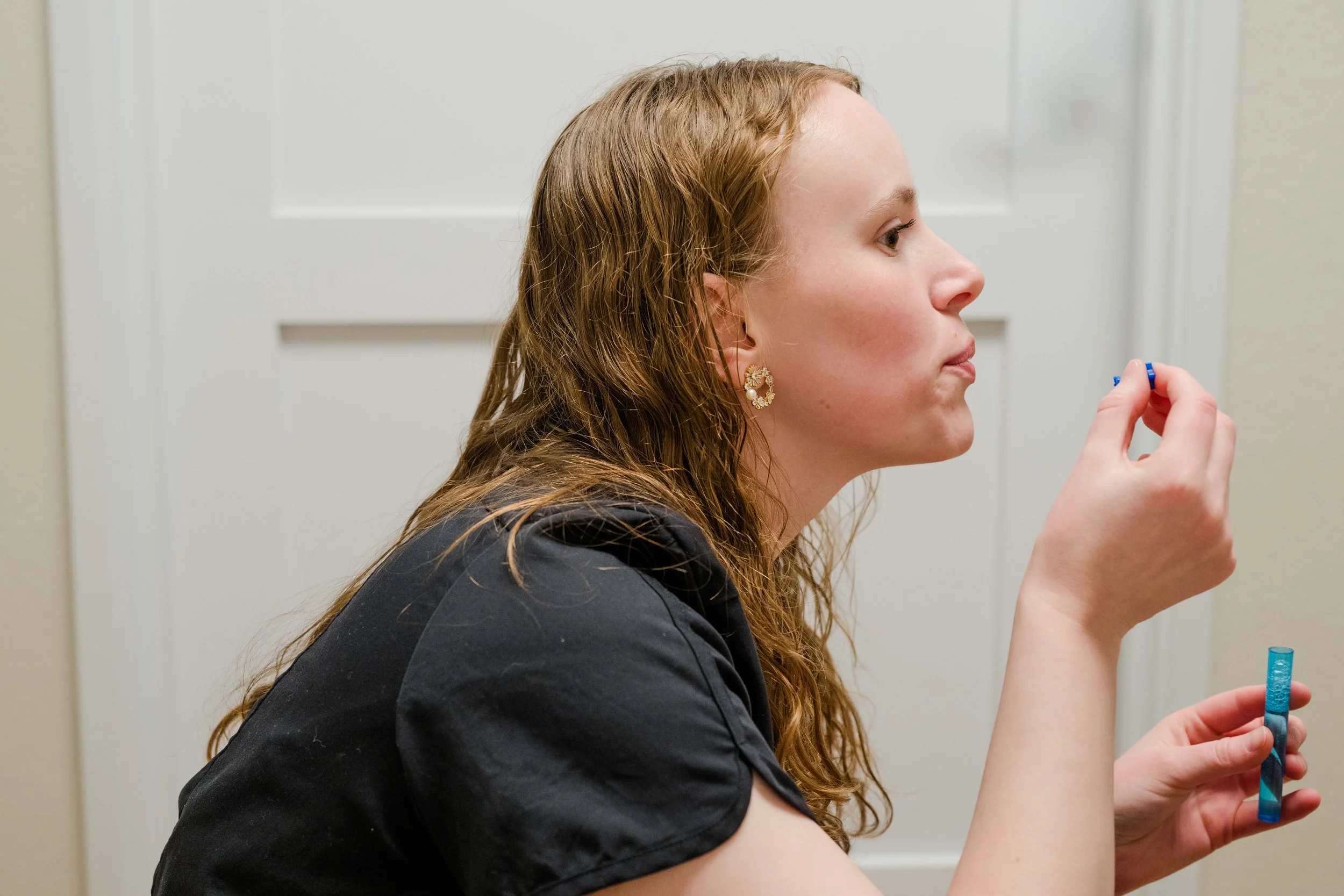
Speech Sound Disorder Evaluation and Therapy Services in the Black Hills
Helping Children and Adults Improve Speech Clarity, Intelligibility, and Communication Confidence
Speech sounds are the building blocks of spoken communication. When an individual has difficulty producing certain sounds, organizing sound patterns, or being understood by others, they may have a speech sound disorder.
Speech sound disorders can affect the accuracy, consistency, and clarity of speech and may impact communication at home, school, work, and within the community.
At DSSC, we provide comprehensive evaluation and individualized therapy for children and adults experiencing speech sound challenges. Our approach focuses on identifying the underlying factors contributing to speech differences and developing evidence-based treatment strategies to support clearer, more effective communication.
A unique part of our evaluation process is looking beyond the speech sound error itself. We consider the full speech system—including oral structures, movement patterns, motor planning, speech sound development, and functional communication needs—to help determine the most appropriate treatment approach and identify when collaboration or referral to another professional may be beneficial.
Services are available in person at our Rapid City clinic and through telehealth options when appropriate.
Common Signs Someone May Benefit From a Speech Sound Evaluation
An evaluation may be helpful when an individual:
Is difficult for others to understand
Continues to make speech errors beyond expected developmental stages
Avoids speaking due to communication challenges
Becomes frustrated when trying to communicate
Has difficulty producing specific sounds
Has speech differences affecting school, work, or social interactions
Has concerns related to speech following oral, dental, or craniofacial changes
Evaluations to Get to the Root of the Issue
Our Process
A comprehensive speech sound evaluation helps determine why speech sounds may be difficult and identifies the most appropriate treatment approach. At DSSC, we look beyond the speech sound error itself to understand the underlying factors that may be contributing to reduced speech clarity.
Speech production requires coordination between the tongue, lips, jaw, palate, airflow, and speech motor systems. While some speech sound differences may be influenced by oral structure or function, not all speech sound disorders are related to oral motor or myofunctional differences.
Our evaluation may include assessment of:
Speech sound production and overall intelligibility
Error patterns, consistency, and sound development
Articulation skills and phonological patterns
Oral motor function and coordination
Speech motor planning and coordination
Language skills that support speech development
Functional impact across home, school, work, and social environments
Structural or functional factors that may influence speech production
Orofacial, airway, and craniofacial considerations when appropriate
Following evaluation, we develop an individualized treatment plan based on the individual’s speech needs, communication goals, strengths, and daily environments.
A unique part of DSSC’s approach is identifying potential structural or functional barriers that may be impacting speech production. When appropriate, we collaborate with and refer to other professionals to address factors outside the scope of speech therapy, ensuring individuals receive the most comprehensive care possible.
Collaboration may include:
Dentists or orthodontists
ENTs
Craniofacial specialists
Other medical or allied health providers
Our goal is not simply to teach individuals to compensate around a barrier, but to understand the factors contributing to speech difficulty and ensure therapy is addressing the most appropriate needs to support functional, lasting communication outcomes.
Speech Sound ConcernsWe Evaluate & Treat

Articulation Disorders
Articulation disorders occur when an individual has difficulty producing specific speech sounds accurately. These errors may involve how sounds are placed, coordinated, or produced.
Common articulation concerns include difficulty with sounds such as:
/r/
/s/
/l/
/k/, /g/
Other individual speech sounds
Individuals with articulation disorders may experience:
Reduced speech clarity
Difficulty being understood
Frustration during communication
Challenges participating in conversations or classroom activities
Treatment focuses on developing accurate sound production through individualized practice and strategies based on the underlying cause of the speech difference.
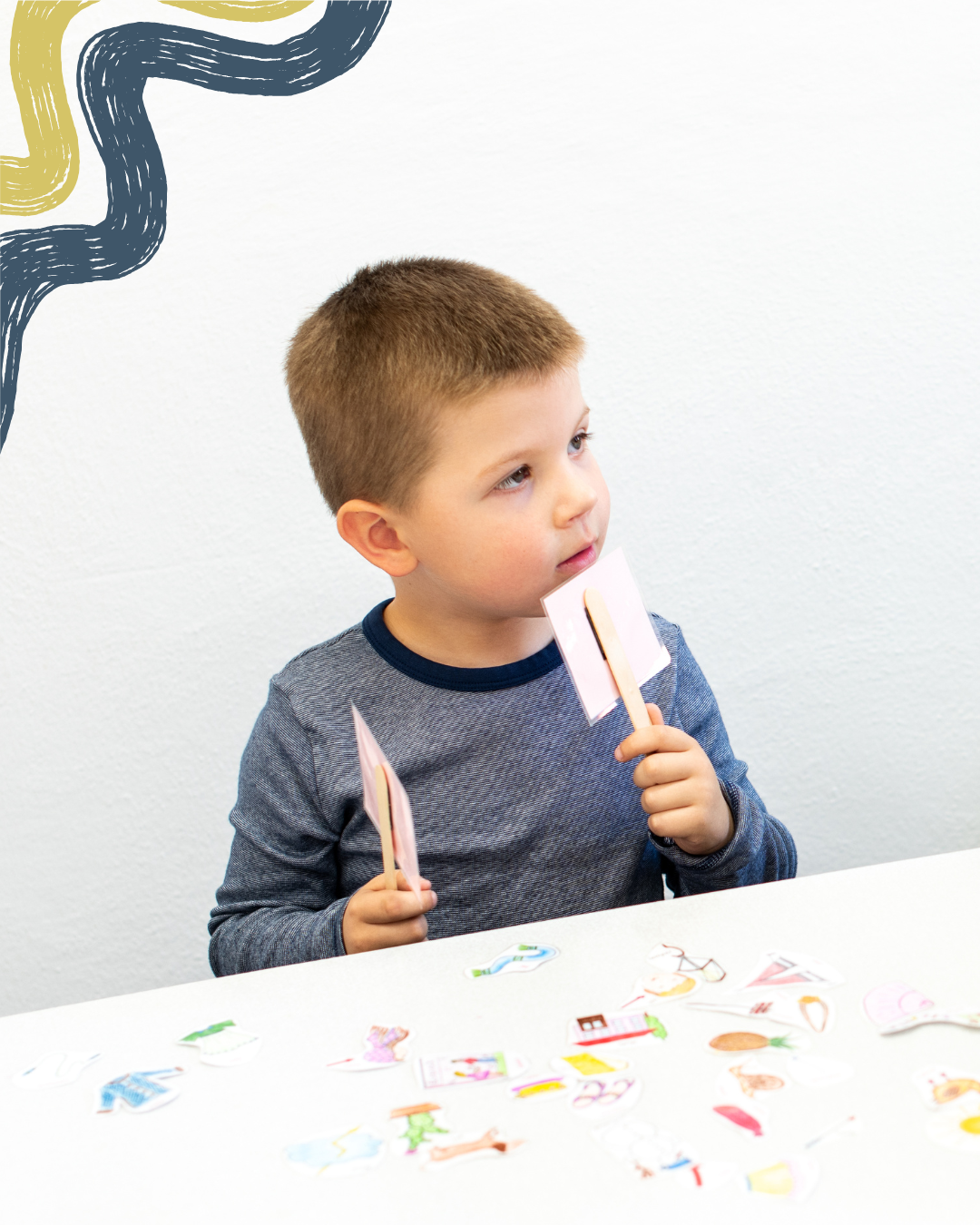
Phonological Disorders
Phonological disorders involve difficulty understanding or organizing the sound system of language. Instead of a single sound being difficult, an individual may use patterns that affect groups of sounds.
Examples may include:
Sound substitutions
Omissions of sounds
Simplifying complex sound patterns
Difficulty organizing or contrasting speech sounds
Phonological differences may impact overall intelligibility and an individual’s ability to communicate effectively with others.
Treatment focuses on helping individuals develop accurate sound patterns and improve speech clarity.
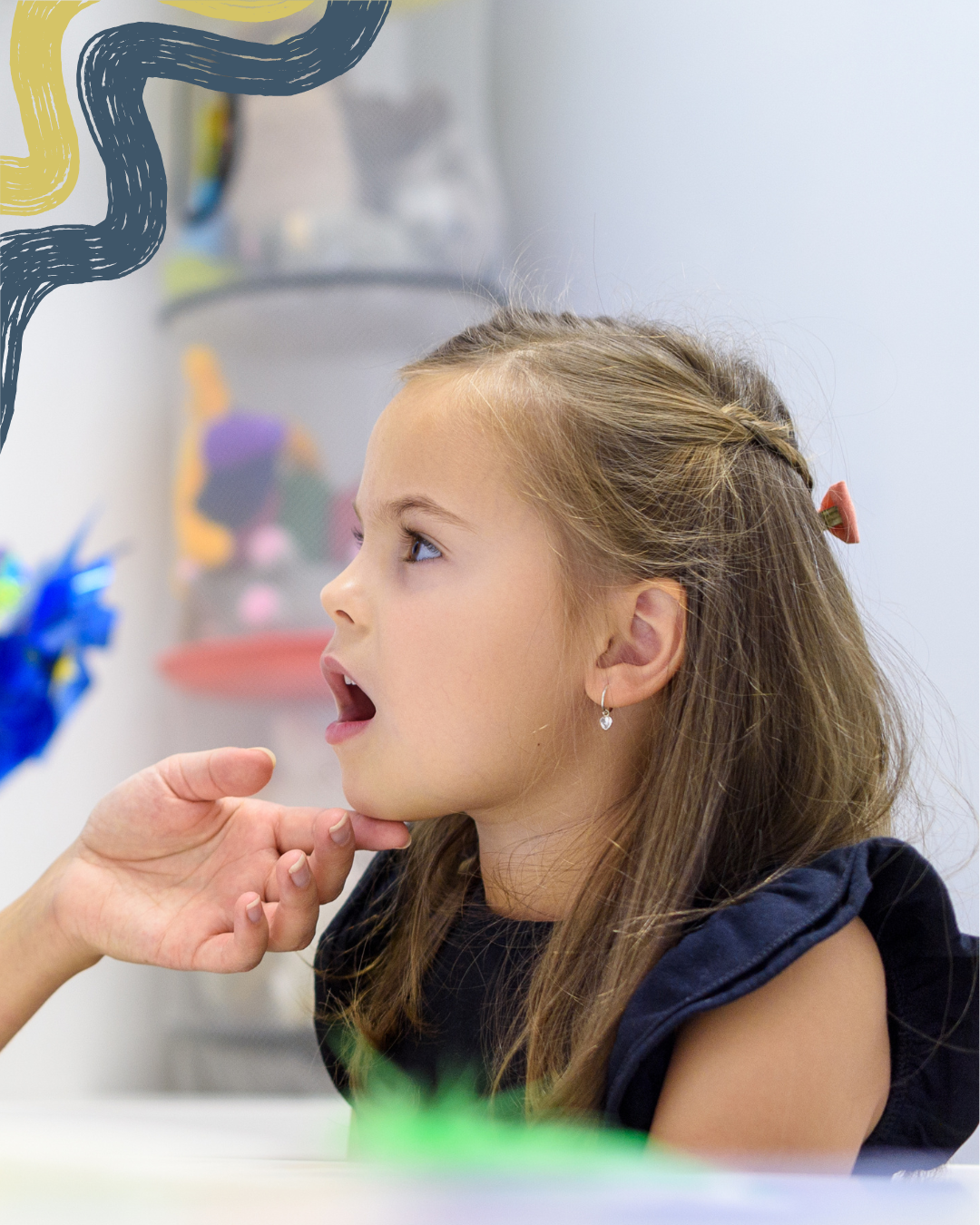
Childhood Speech Sound Development
Children develop speech sounds gradually as their speech and language systems mature. Some speech differences are part of typical development, while others may persist beyond expected ages or significantly impact communication.
An evaluation may help determine whether speech sound errors are:
Developmentally appropriate
Delayed
A sign of a speech sound disorder
Related to another underlying communication difference
Early identification and individualized support can help children develop effective communication skills.
Speech Sound Disorders Related to Craniofacial Differences
Structural differences involving the mouth, jaw, palate, or facial structures may impact speech sound production, resonance, and intelligibility.
DSSC evaluates and treats speech differences associated with:
Cleft lip and/or palate
Velopharyngeal dysfunction (VPD)
Craniofacial syndromes
Structural differences affecting speech production
Speech changes following craniofacial surgery
Our team works collaboratively with medical and dental professionals when structural differences may be contributing to speech challenges.
Treatment may include supporting speech development, improving intelligibility, and coordinating care with the appropriate specialists.